




Spa Pump & Air Blower: Everything you should know 2026
This blog walks you through spa pumps and air blowers—two core components that make a hot tub work the way it should.
We'll break down how they're built, how they work, how they perform, and the small details that are often overlooked but matter more than you think.
To make things easier, we've listed the most important topics below so you can jump straight to what matters to you.
Spa Pump
1. Structure and How It Works
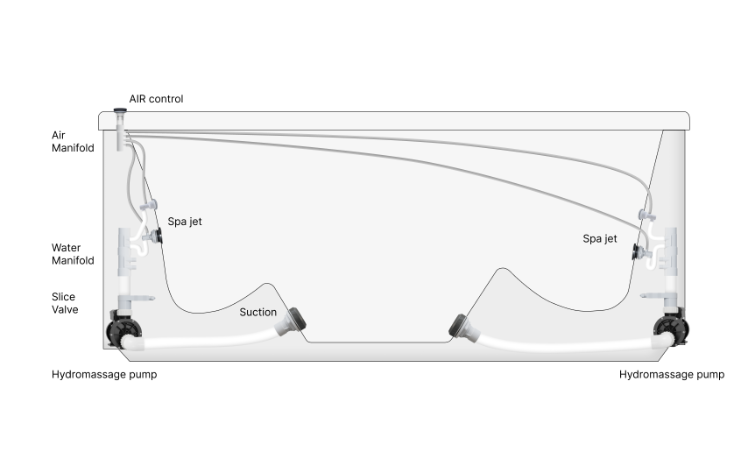
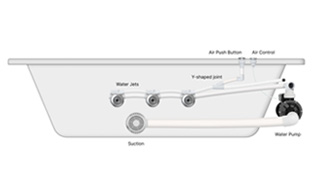
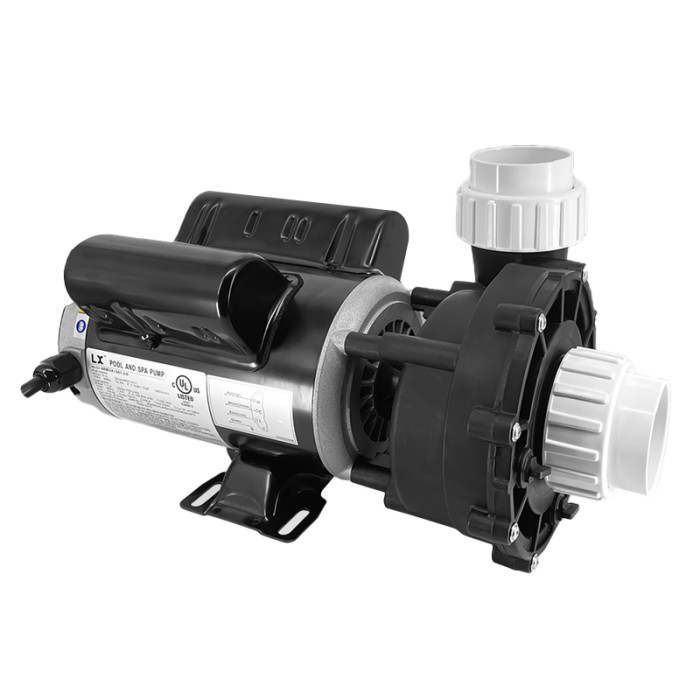
A typical spa pump is made up of a few key parts: the motor, wet end, impeller, shaft seal, and pump housing.
The motor provides steady power, but it's the impeller inside the wet end that really shapes water flow, pressure, and lift. As the impeller spins at high speed, centrifugal force pushes water outward into the pump housing, creating continuous circulation.
In a hot tub, a spa pump does far more than move water from one place to another. It must balance flow rate, pressure, noise control, and long-term reliability, often running for hours at a time. That's why two pumps with similar specs on paper can perform very differently in real-world use.
2. How to Choose the Right Spa Pump?
No matter which brand or model you choose, certification is always the first checkpoint.
Common and essential approvals include CE, UL, ETL, and TÜV. These are not just market requirements. They confirm basic electrical safety, insulation quality, and long-term durability.
Once compliance is covered, pump selection should come back to the system itself:
1. Match the flow range to the tub's water volume and number of jets
2. Evaluate the required head pressure based on pipe length and fittings
3. Consider continuous run capability and cooling design for residential or commercial use
Many pump issues are not caused by a lack of power. They come from a mismatch between the pump and the system it serves.
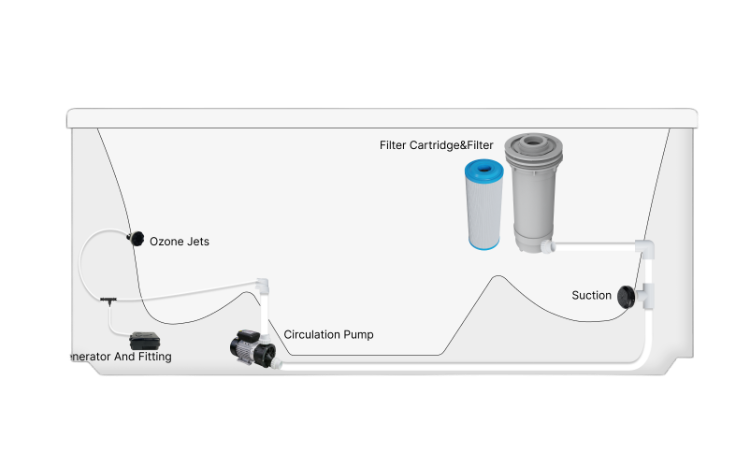
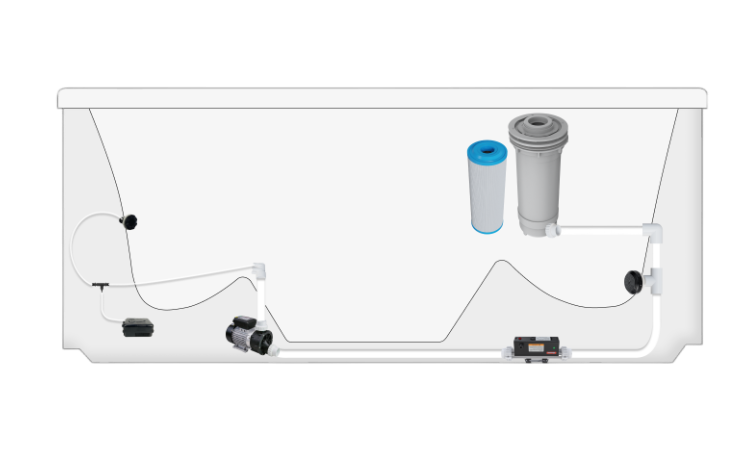
3. The Key Role of a Hot Tub Circulation Pump
A circulation pump plays a quiet but essential role in a hot tub system.
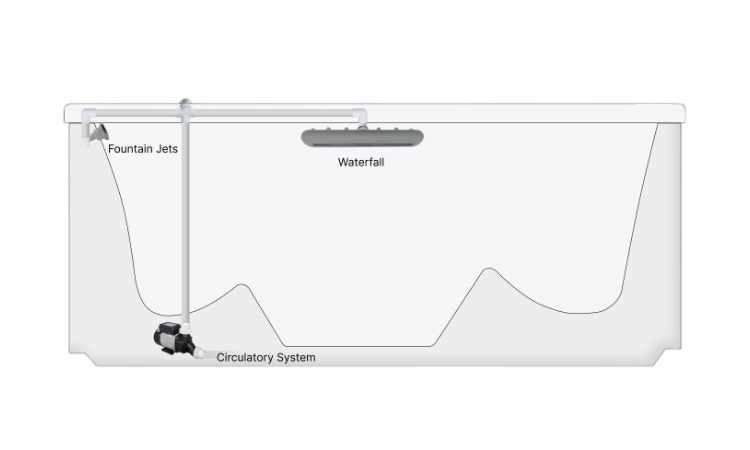
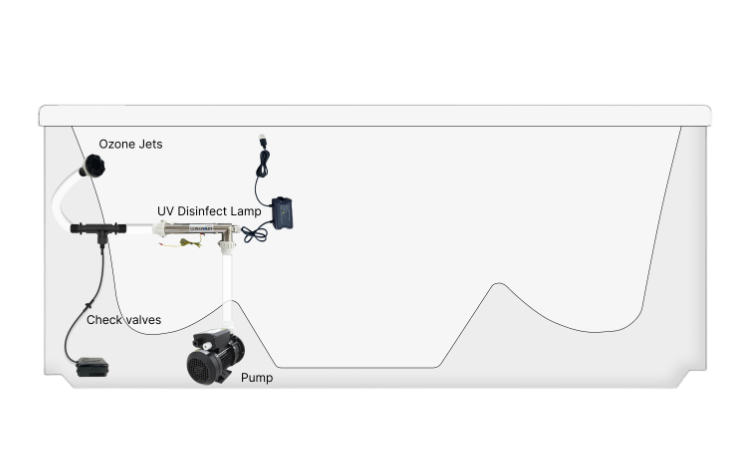
Its main job is to maintain low power, long run water circulation. This becomes especially important when sanitation systems such as ozone generators or UV units are involved, as steady circulation allows the disinfecting process to work more evenly and consistently throughout the tub.
Unlike the main massage pump, a circulation pump is not designed for high pressure. Instead, it focuses on stability, quiet operation, and energy efficiency.
Without a circulation pump, the system often has to rely on frequent starts of a high power pump for filtration and sanitation. This leads to higher energy use and faster wear on the main pump.
4. Spa Pump Not Working
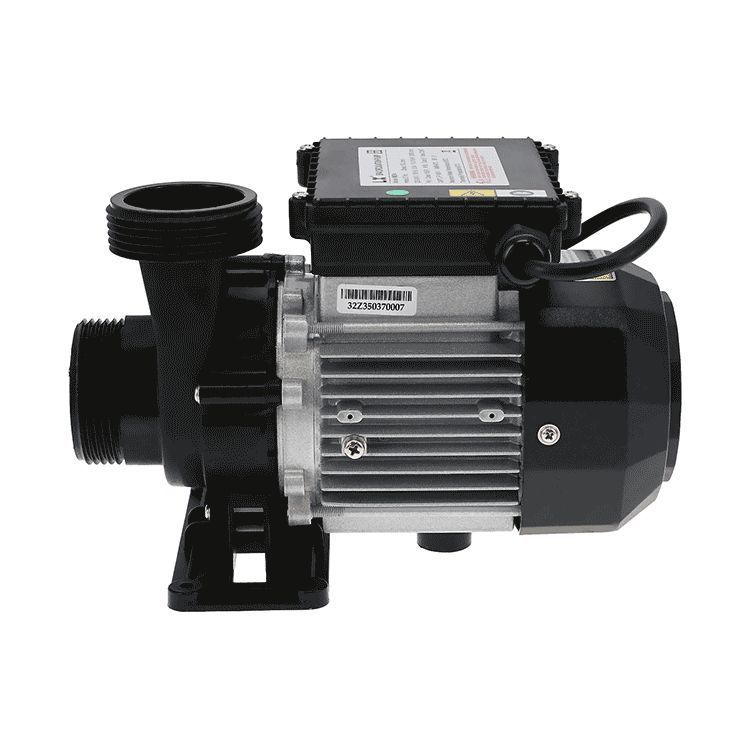
When a spa pump fails to start or runs with noticeably weak output, it is usually one of the most obvious problems for users.
Spa pump common causes include:
1. Power supply or control signal issues
2. A failed start capacitor
3. A jammed impeller or debris inside the wet end
4. A worn shaft seal that allows water to reach the motor and trigger protection
When troubleshooting, start with the simplest external checks instead of immediately assuming the motor has failed.
5. Hot Tub Pump Thread Standards
For professional spa component buyers, connections and thread standards often matter more than raw power ratings.
Common standards vary by market and include NPT, BSP, and metric threads. When selecting a pump, it is important to confirm:
1. Whether the connection uses male or female threads
2. The actual sealing method, such as an O-ring or adhesive bonding
3. Compatibility with the existing plumbing system
Overlooking these details can lead to extra fitting costs during installation and may even delay the overall delivery timeline.
Spa Air Blower
1. Structure and How It Works
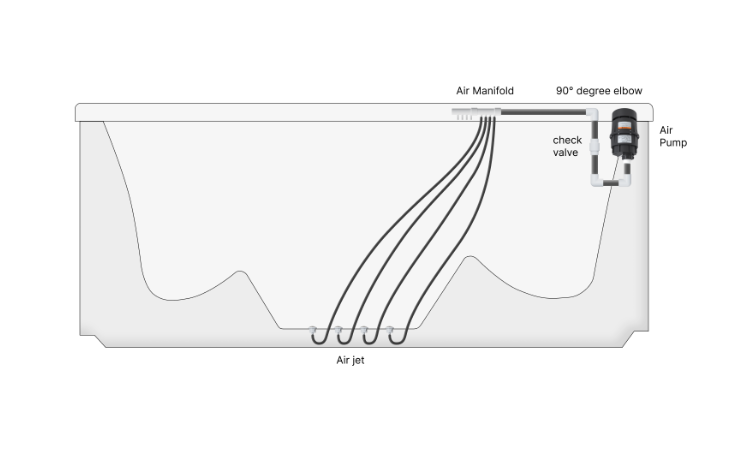
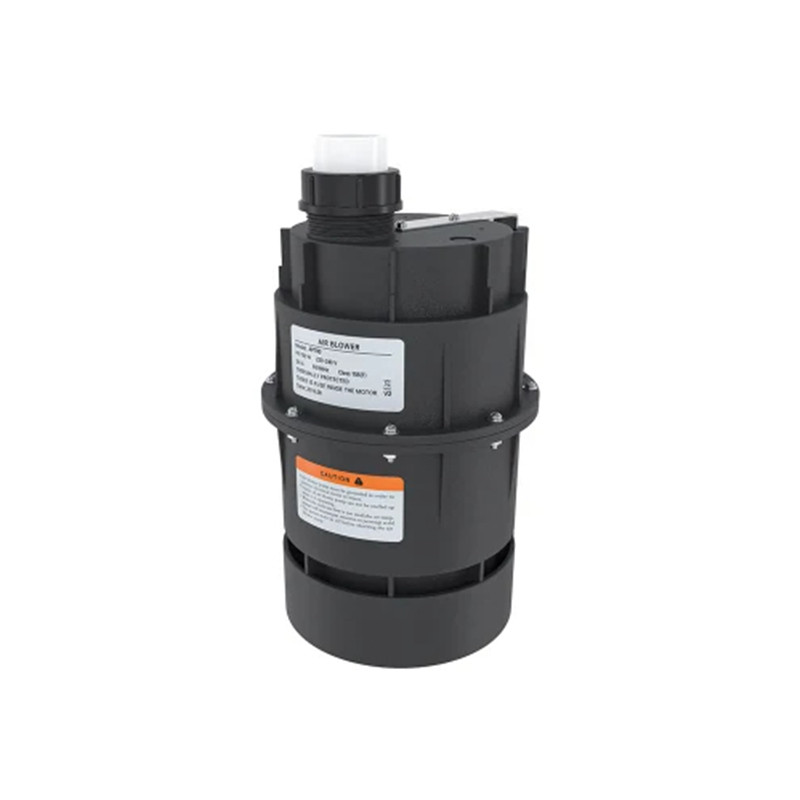
An air blower has a relatively simple structure. It typically consists of motor windings, a pump casing, seals & bearings, and an impeller.
Among these, the motor windings play a critical role. Copper windings clearly outperform aluminum options in efficiency, heat control, and service life. We have covered this in detail in a previous blog, so we will not repeat it here.
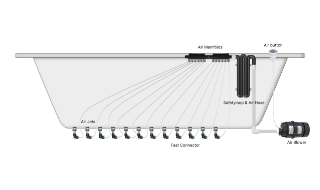
When running, the air blower spins an impeller at high speed, pushing air through the lines and out of the air jets, where it turns into fine, evenly spread bubbles in the water.
2. Air Blower Power and Applications
Once you understand the basic structure, choosing between air blowers with different power ratings becomes much more straightforward.
We previously introduced a 700W air blower that strikes a strong balance between output, noise control, and energy use. It is well suited for mid sized residential and light commercial spa systems.
So when do you actually need a higher power blower?
This usually applies to projects with long air lines, a large number of air outlets, or a clearly defined target for bubble intensity.
On the other hand, if the system is not designed to handle high air volume, selecting an oversized blower can lead to increased noise, air back-flow, and unnecessary energy consumption.
3. Hot Tub Air Blower vs Venturi
When talking about air blowers, the Venturi effect is impossible to ignore. As a passive solution, Venturi systems have long been compared with air blowers.
The key question is simple:
If I use only a Venturi system and skip the air blower, what am I missing?
The main advantage of Venturi systems is their simple structure and low cost. However, they rely entirely on water flow to create negative pressure and draw in air, which means performance is highly dependent on how the main pump is operating.
The core value of an air blower lies in control. It delivers air actively and independently of water flow, allowing for more consistent bubbles and a more layered hydrotherapy experience.
If you only use Venturi, make sure the plumbing and flow are well matched. Adding a blower requires early planning for back-flow, waterproofing, and noise control.
There's no absolute winner. It comes down to whether you value system simplicity or full control over the experience.
4. Hartford Loop and Check Valves
In an air blower system, Hartford loops and check valves don't boost bubbles, but they serve a critical role: preventing water from flowing back into the blower when the system stops or malfunctions.
Effectiveness depends on proper pipe height, long-term valve sealing, and the blower's protection rating.
In practice, back-flow usually builds up gradually. Even a small amount of water inside the blower can later cause noise, reduced efficiency, or motor damage.
It's important to plan the Hartford loop, check valve, and blower protection as one integrated system, as this approach leads to far better long-term reliability than handling each part separately.
5. Common Air Blower Issues
Blowers rarely fail completely at first. Changes in sound are often the earliest and clearest warning.
Typical problems include unusual noise, failure to start, reduced output, or internal corrosion from back-flow. Many of these can be diagnosed just by listening during startup and operation.
For example, a low, drawn-out hum at startup with the impeller struggling to reach speed usually points to a worn start capacitor, motor overload, or internal friction. Repeated power cycles won't help and can overheat the motor.
Sharp, irregular whining or metal scraping often signals bearing wear, impeller misalignment, or water intrusion. These sounds get worse over time if ignored.
A common case is the blower running with a muffled sound and reduced airflow. This often results from blocked pipes, failed check valves, or minor long-term back-flow reducing efficiency.
Unlike sudden failure, these early warning sounds are the best time to intervene. Checking back-flow protection, inspecting valves, or replacing worn parts can prevent more serious damage later.
Hydrorelax Spa Solutions
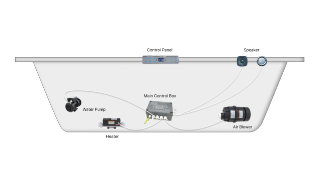
At Hydrorelax, we don't see spa pumps or air blowers as standalone products. We look at them as part of a complete spa system.
With over 20 years of manufacturing and system experience, we know which specs really matter and which are just numbers on paper.
If you're planning pumps or blowers for your 2026 projects, contact the Hydrorelax team and let's discuss your system design.