




Hotel Commercial Shower Hardware Procurement Guide: Selection Strategy for High-Frequency Use
First published: August 21, 2026 · By Sofia · Category: Blog
Shower hardware for hotel guest rooms is often a small line item in the overall budget, yet it is one of the areas most likely to cause problems during operation. Stiff rollers, leaking at the bottom of the door, sagging hinges and unstable water temperature usually appear 18-24 months after project completion. By then the construction team has left, and the repair cost sits entirely with the operator.
What decides whether these problems happen is almost entirely the material, specification and functional configuration chosen at the procurement stage. This guide breaks down the selection criteria and the common mistakes across six categories: rollers, hinges, handles, magnetic sealing strips, mixer valves and shower systems.
Hotel Shower Usage: Why Are Residential Hardware Standards Not Enough?
The difference comes down to usage frequency and the unpredictability of the user. A residential shower is used roughly once a day, always by the same people. At a 70% occupancy rate, each hotel guest room shower is used about 510 times per year, with different operating habits every time.
Door closing force, operating behavior and familiarity with the equipment all vary. Hotel shower hardware has to withstand not only high-frequency repeated use, but also continuous irregular impact. Based on feedback from hotel engineering and maintenance teams, shower hardware ranks by repair frequency as follows:
- Roller bearings: sliding doors are opened and closed daily. In humid environments, noise and operational resistance typically appear after 18-24 months.
- Hinge pivot cores: pivot hinges carry the full weight of the glass panel. Once the core wears out, the door sags, closes poorly or hits the frame.
- Magnetic sealing strips: compressed every time the door closes. Elasticity drops over time, sealing weakens and water starts to leak.
- Handle finish coating: frequent contact with cleaning chemicals causes peeling and discoloration after 2-3 years.
- Thermostatic mixer cartridge: with non-thermostatic valves, guests adjust the temperature manually every time. Sudden or unstable water temperature is a frequent source of negative hotel reviews.
Four Core Procurement Rules: What Should Be Locked Before Ordering?
Shift the budget judgment from unit price to total lifecycle cost, and lock specification, function and finish before the order goes out.
1. Focus on total lifecycle cost
Zinc alloy rollers carry a lower initial price, but in a hotel environment with high humidity and alkaline cleaning agents their service life is typically only 18-24 months. The labor cost of bulk replacement is usually more than twice the price difference between components. Add the revenue loss from rooms taken out of service and the gap widens further.
2. Lock specifications before ordering
Roller diameter against glass thickness, and the cross-section of the magnetic sealing strip, must be verified against the construction drawings before the order is placed. Errors in these two areas can make an entire batch impossible to install and directly affect the schedule.
3. Treat thermostatic control as the functional baseline
Water pressure fluctuates significantly during peak usage. With non-thermostatic valves, sudden temperature changes cannot be fixed through maintenance and require full valve replacement. Thermostatic control should therefore be treated as a basic requirement for hotel shower systems.
4. Manage finish consistency from the procurement stage
Chrome color depth and matte levels vary visibly between production batches from different suppliers. Once the design direction is set by the overall project style, complete all hardware procurement through a single supplier, or compare finish samples in advance.
Shower Door Rollers: Why Do Material and Bearing Type Matter More Than Appearance?
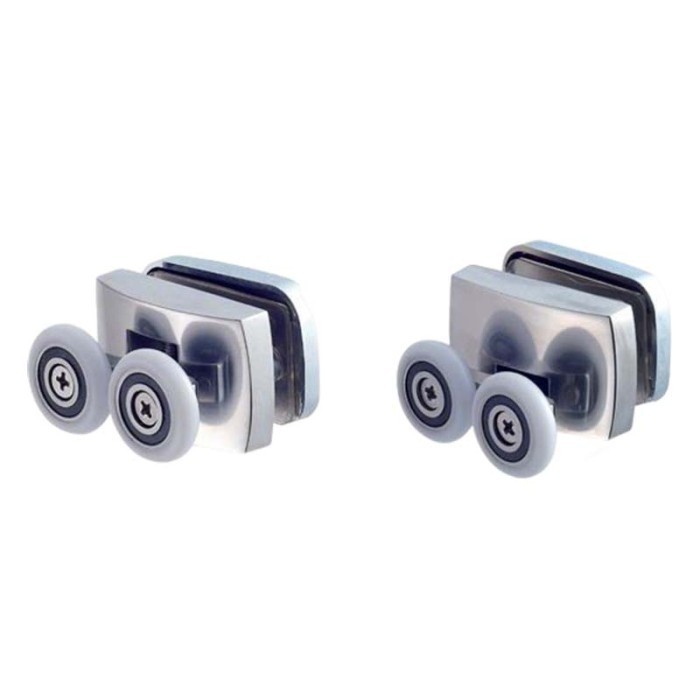
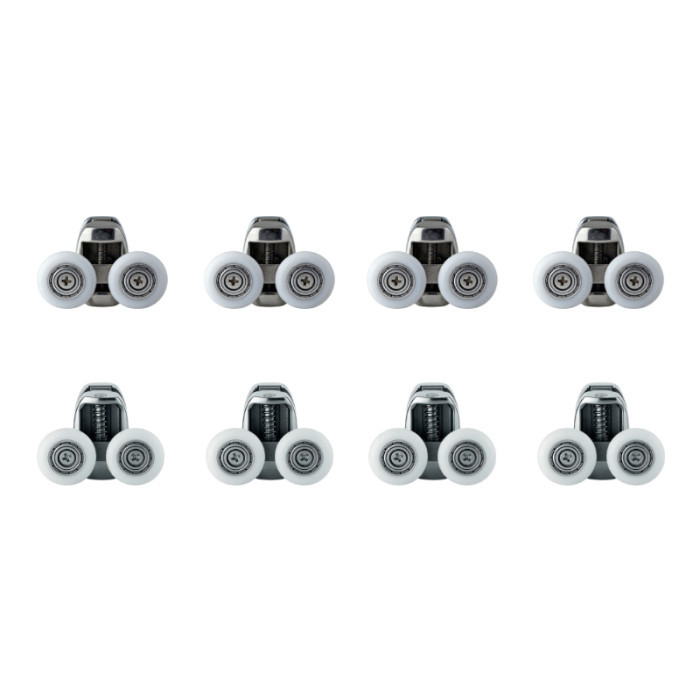
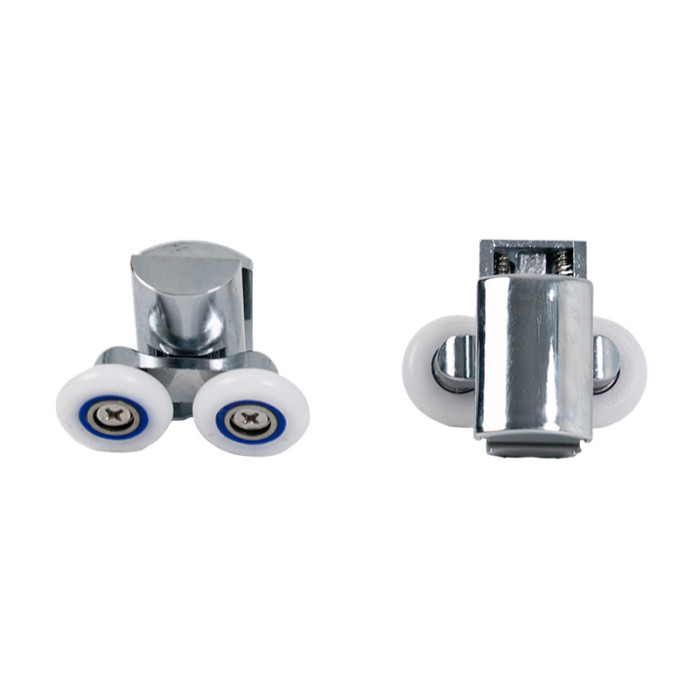
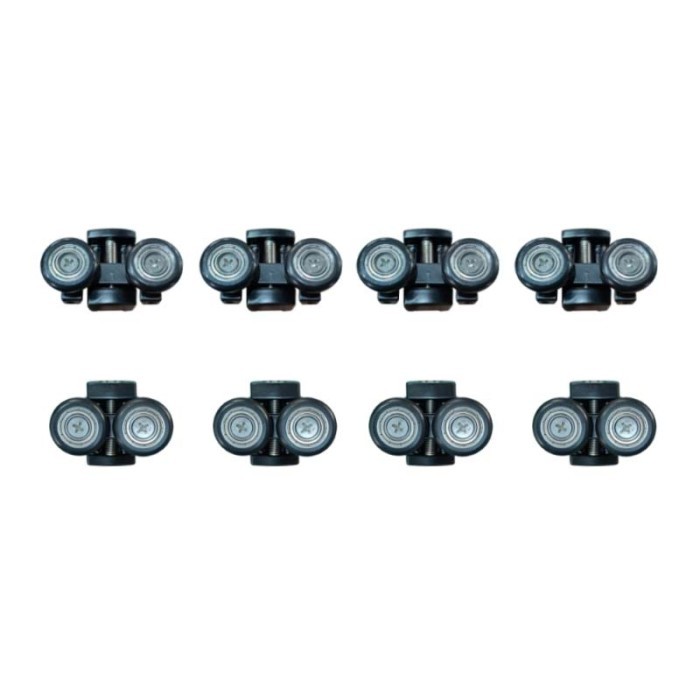
Rollers have the highest maintenance frequency of all shower hardware, and the deciding factors are material quality and bearing type rather than looks.
Full 304 stainless steel solid rollers remove the risk of coating peeling and are the basic quality requirement for commercial applications. Ball bearings deliver noticeably better noise reduction than standard bearings, which suits five-star hotels or projects with strict noise control requirements.
Roller diameter must match the glass thickness: 6 mm glass takes a 22 mm roller diameter, 8 mm and above takes 23-26 mm. Before placing bulk orders, ask the supplier for a roller diameter compatibility chart and verify it against the construction drawings. For common roller failures and fixes, see our practical guide to shower room pulleys; for sourcing channels, see Top 5 global suppliers for wholesale shower door rollers.
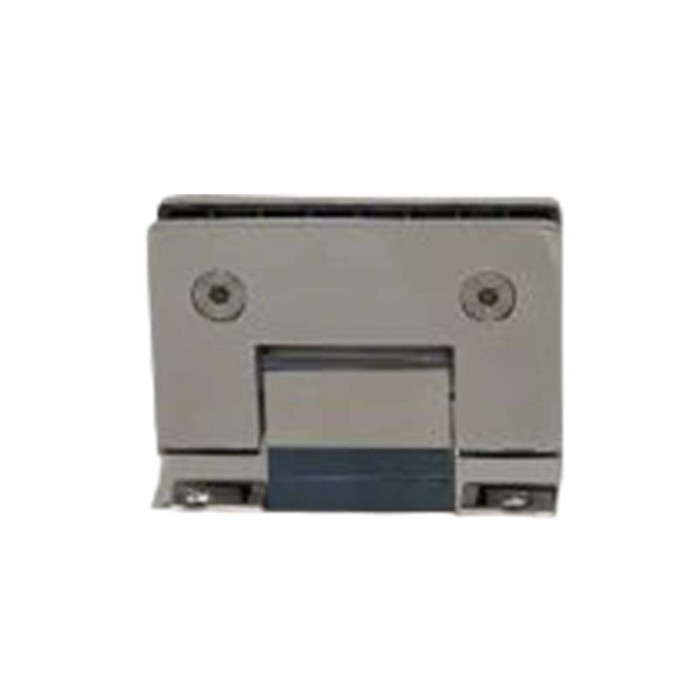
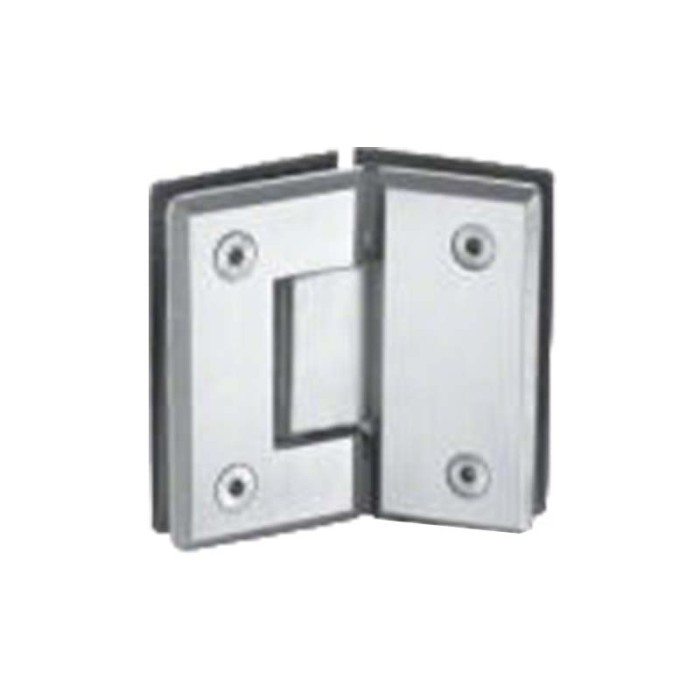
Shower Door Hinges: How Do Pivot Core Material and Angle Match the Door Type?
The hinge pivot core carries the full weight of the glass door. Once it wears, the whole door panel has to be removed and reinstalled, which drives up labor cost.
The first thing to confirm is whether the pivot core is solid 304 stainless steel. Some products are labeled 304 stainless steel but actually use a composite structure with a zinc alloy inner core, so ask the supplier for material inspection reports.
The angle must match the door configuration: standard rectangular enclosures take 180-degree straight hinges, hexagonal or angled enclosures take 135-degree angled hinges, used together with magnetic sealing strips of the matching profile. For a fuller comparison of materials and types, see our shower hinge buying guide.
Glass Door Handles: How to Balance Grip Comfort and Finish Consistency?
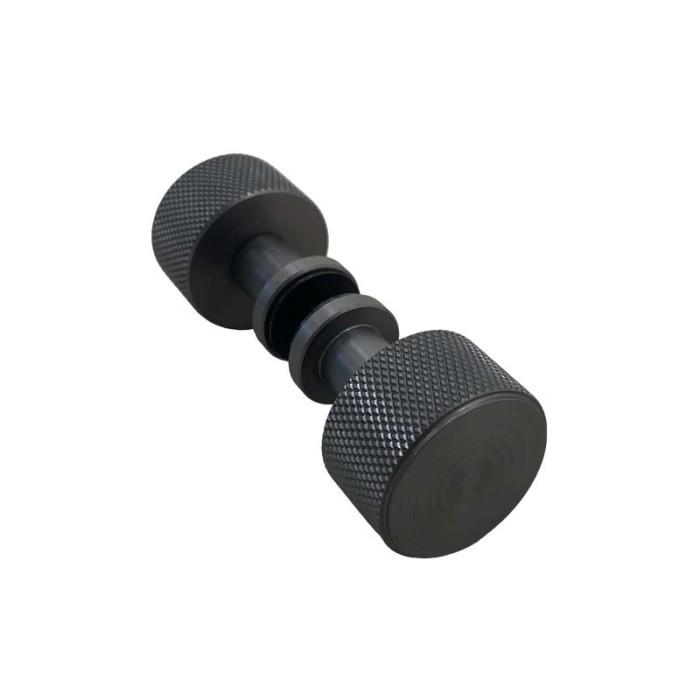
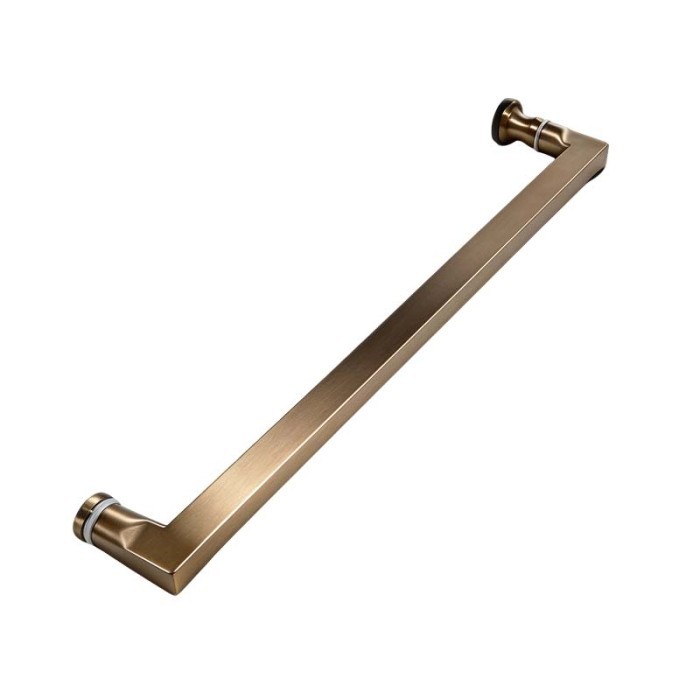
The key procurement considerations for handles are grip comfort, material quality and finish consistency.
In humid environments, cylindrical handles with knurled surfaces give better friction and help prevent slipping with wet hands. 304 stainless steel handles in fully polished or matte finishes remove the risk of coating peeling.
Within one project, chrome gloss levels vary between production batches from different suppliers, so complete the whole batch through a single supplier or request finish samples for comparison before ordering. Multiple finish options (chrome / matte black / gunmetal grey) can serve different floors or room types, but consistency should be kept within the same floor. For typical handle failures, see shower door handles: common issues and buying guide.
Magnetic Sealing Strips: Why Should They Not Wait Until the Main Materials Arrive?
Because urgent replenishment is where specification errors happen, and those errors delay the schedule.
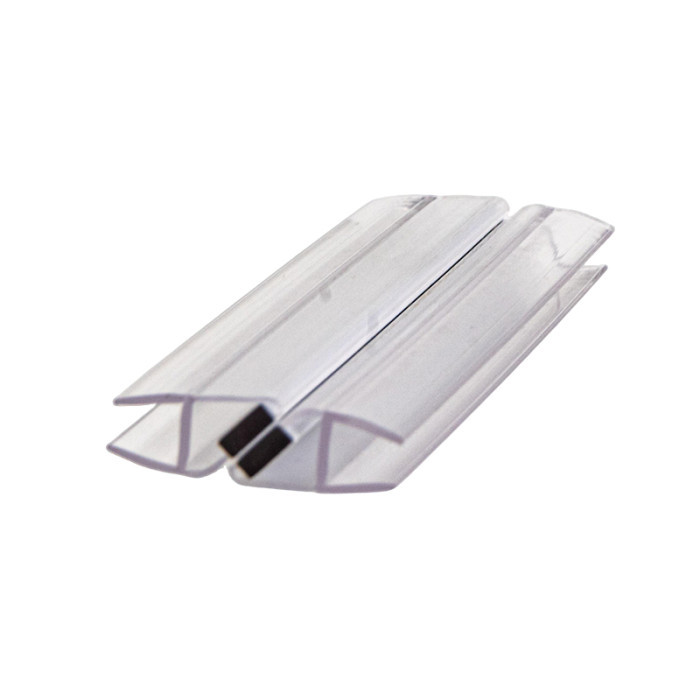
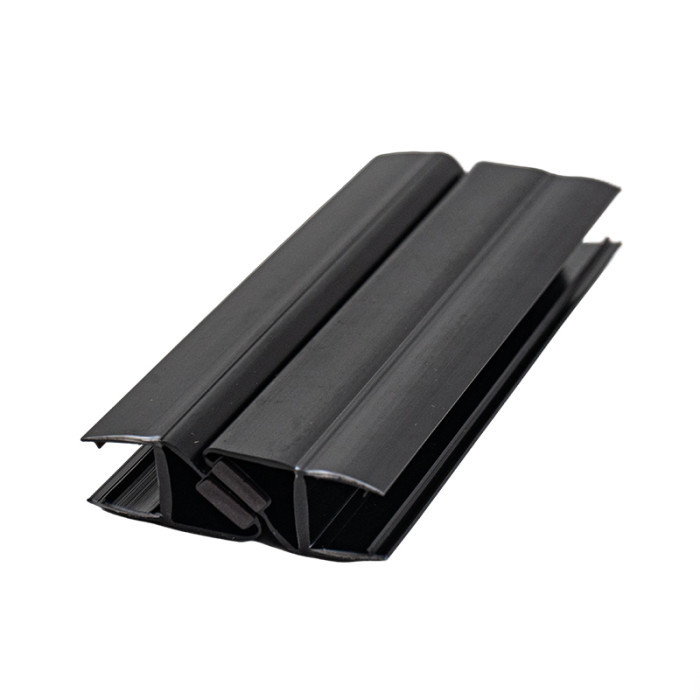
Magnetic sealing strips have a low unit price and are one of the most easily overlooked items on a procurement list. Once they fail, water leaks at the bottom of the door and generates guest complaints. Continuous leakage further damages floor tiles and the bottom panels of bathroom cabinets.
They should enter the procurement plan at the same time the main materials are confirmed, not after those materials arrive on site. Urgent replenishment easily produces 6 mm / 8 mm compatibility errors. The top magnetic seal and the bottom door seal work together to form a complete waterproof path. For matte black projects, black strips keep the finish consistent. For profile shapes and their applications, see how to choose shower door seals.
Shower Mixer Valves: What Happens When Water Temperature Is Unstable?
It turns directly into guest complaints, and maintenance cannot fix it.
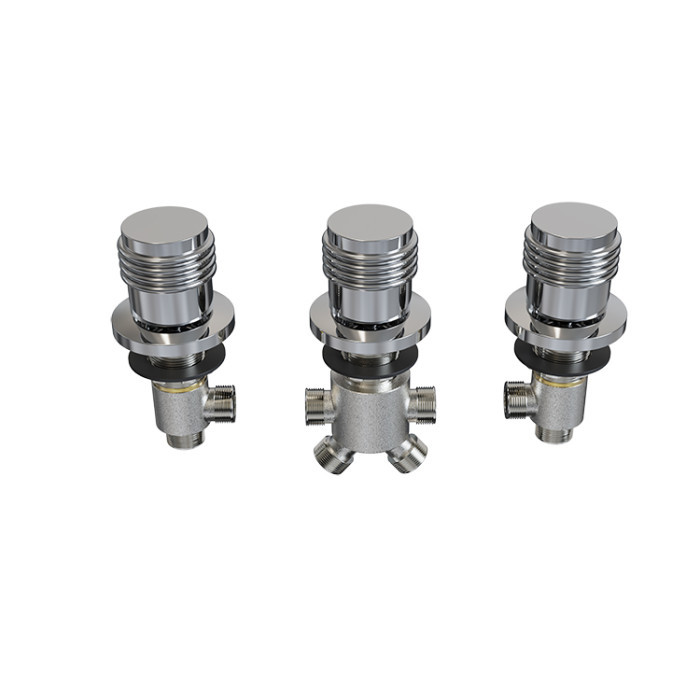
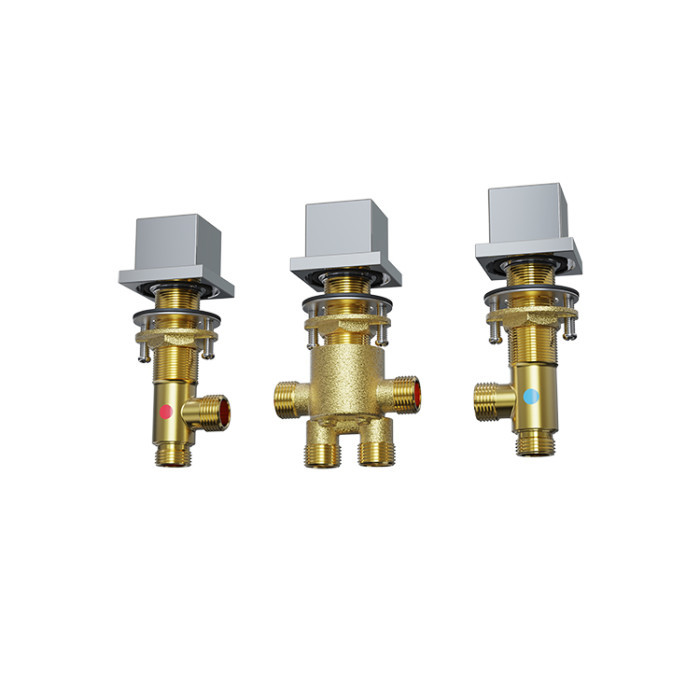
The mixer valve is the single bathroom fixture most frequently linked to negative guest reviews, and the core issue is unstable water temperature. In multi-line hot water supply systems, water pressure fluctuates significantly during peak usage, and non-thermostatic valves cannot compensate automatically. A thermostatic cartridge holds the outlet temperature at the preset level.
On configuration: single bathroom applications take a thermostatic single-outlet valve; standard rooms with an overhead shower plus handheld shower take a thermostatic diverter mixer valve, where one valve body controls multiple outlets and simplifies both installation and guest operation. For valve body materials and supplier screening, see brass vs stainless steel shower mixer valves and our supplier selection guide for thermostatic shower mixing valves.
Shower Systems: How Do Overhead and Handheld Units Affect Guest Ratings?
The shower system is the most noticeable fixture in every stay, and the overhead plus handheld configuration feeds straight into review scores.
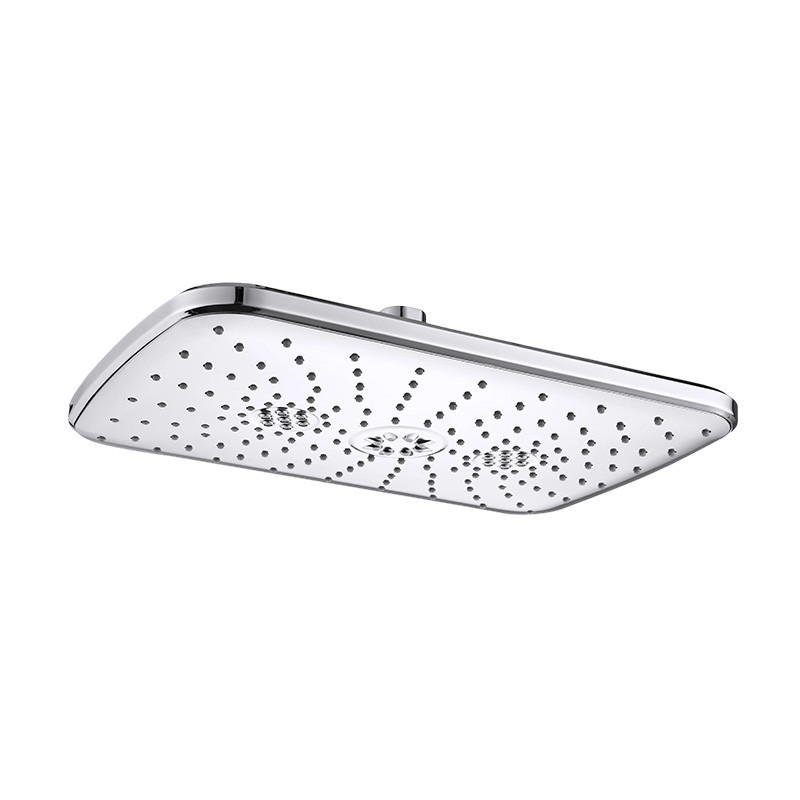
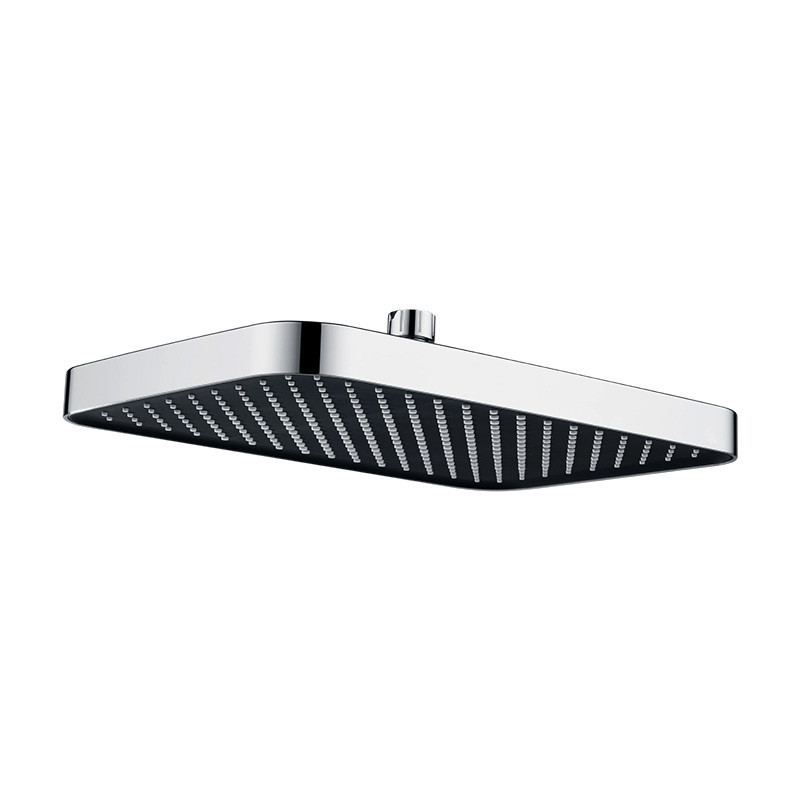
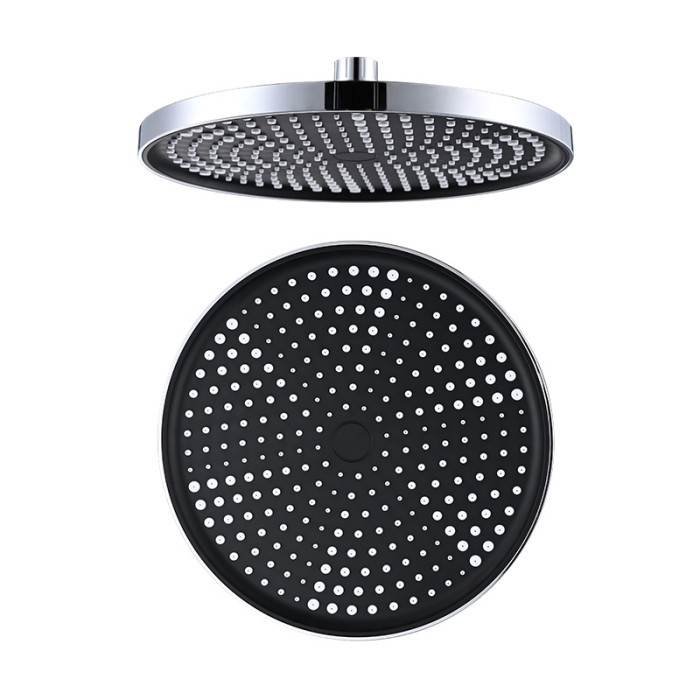
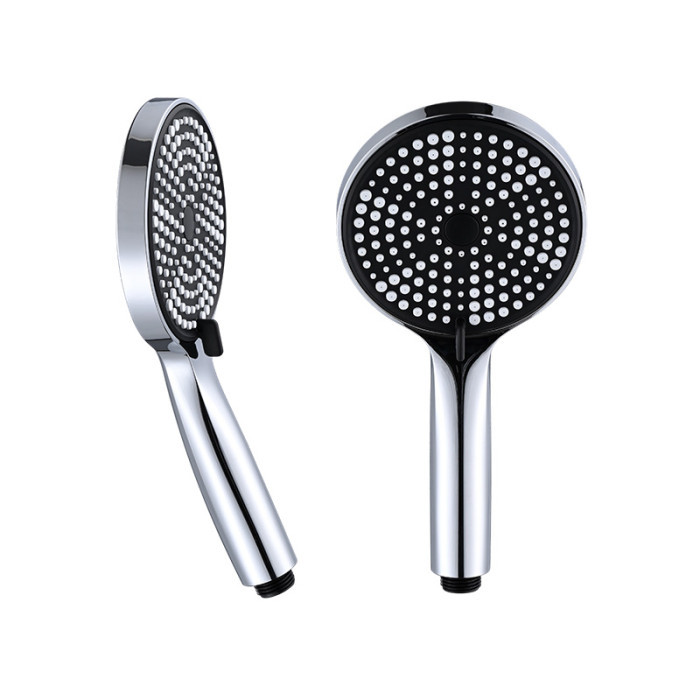
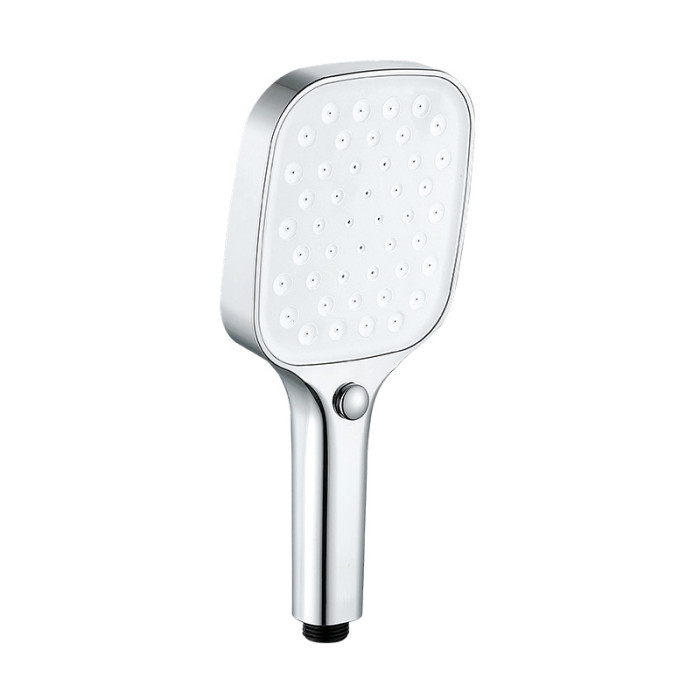
For overhead showers, select large sizes (12-13 inches) in square or rectangular designs for wider coverage. Concealed installation with pipes hidden behind the wall is the standard solution for mid-to-high-end hotels.
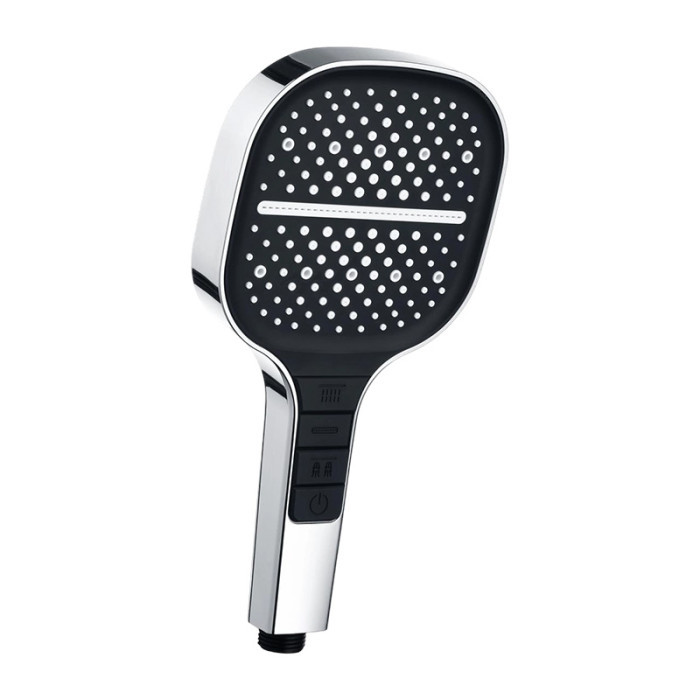
For handheld showers, choose multi-function models with at least three spray modes. A water-stop button lets guests switch modes without readjusting the temperature, which is a practical detail in high-frequency use.
Common Procurement Mistakes: Which Five Repeat Most Often in Hotel Projects?
All five happen before the order is placed, not after installation.
Mistake 1: Selecting rollers on price and ignoring material
The lowest-priced rollers are usually zinc alloy or plastic. In hotel applications they develop abnormal noise and resistance within 1-2 years. Replacing rollers across 100 guest rooms typically costs more in labor than the components themselves.
Mistake 2: Placing bulk orders without verifying specifications
A mismatch between roller diameter and glass thickness, or between hinge angle and door configuration, leaves products impossible to install after delivery, and replenishment can delay the schedule by 2-4 weeks. Confirm glass thickness and door type before ordering, and ask suppliers for a specification compatibility chart.
Mistake 3: Leaving magnetic sealing strips off the procurement list
Strips are often treated as installation accessories rather than independent procurement items, which leads to urgent replenishment in the later stages of a project. Include them in the initial bulk plan and order them together once size and glass thickness compatibility are confirmed.
Mistake 4: Specifying mixer valves without thermostatic control
Non-thermostatic valves cut initial cost by roughly 40%, but every additional water temperature complaint can pull down ratings on OTA platforms. Thermostatic control should be the default configuration for hotel guest room mixer valves.
Mistake 5: Creating finish mismatches through multi-supplier procurement
Chrome color depth and matte levels vary visibly between batches from different factories, and the inconsistency is hard to correct once installed. For a single project, complete all hardware procurement through the same supplier, or request finish samples for comparison before ordering.
Key Takeaways
- Judge by total lifecycle cost rather than unit price. Replacement labor usually exceeds twice the component price difference.
- Verify roller diameter against glass thickness, hinge angle against door type, and sealing strip profile, all against the construction drawings before ordering.
- Buy thermostatic control as a baseline configuration. Unstable water temperature cannot be resolved through later maintenance.
- Source all categories from a single supplier, or compare finish samples first, to avoid visible color differences after installation.
Looking Ahead
Hotel projects are increasingly sensitive to renovation cycles and room downtime, and hardware selection is shifting from "it fits" to "it lasts through a renovation cycle". For buyers, writing material criteria and specification compatibility charts into the inquiry documents up front costs less than fixing problems after delivery. We will keep adding compatibility data by category so project teams can compare options at the design stage.
Work With Us
Hotel shower hardware spans six categories: rollers, hinges, handles, magnetic seals, mixer valves and shower systems. Fragmented procurement across multiple suppliers easily leads to specification mismatches, inconsistent finishes and misaligned delivery schedules.
If you are looking for a complete solution for hotel construction projects, hotel chain supply or large-scale renovation, contact us for selection recommendations and quotations. Hydrorelax supports OEM customization and provides samples and technical specification documents to help the project land smoothly.
FAQ
Zinc alloy rollers typically last only 18-24 months in a hotel environment with high humidity and alkaline cleaning agents. Full 304 stainless steel solid rollers carry no coating peeling risk and are the basic requirement for commercial use. See also: shower room hardware for bulk wholesale supply.
6 mm glass takes a 22 mm roller diameter, and 8 mm and above takes 23-26 mm. Ask the supplier for a roller diameter compatibility chart before bulk ordering and verify it against the construction drawings, so an entire batch does not arrive unusable.
Some products are labeled 304 stainless steel but use a composite structure with a zinc alloy inner core. Requesting material inspection reports from the supplier is the most direct way to verify. See also: wholesale shower enclosure hardware buying guide.
They should be treated as baseline configuration. Non-thermostatic valves cut initial cost by around 40%, but sudden temperature changes during peak usage cannot be fixed through maintenance and require full valve replacement, while generating continuous negative reviews on OTA platforms.
Chrome color depth and matte levels differ visibly between factory batches. For a single project, source all categories from one supplier, or request physical finish samples for comparison before placing the order.
Working on shower hardware selection for a hotel project?
Tell us the glass thickness, door type and room count, and we will provide a specification compatibility chart, samples and a quotation.