




How a Spa Ozone Generator Works: Structure, Circulation, and Sanitizing Efficiency
In spa water treatment systems, the ozone generator has always been controversial.
Some see it as a premium feature. Others consider it low-impact, high-maintenance, and optional.
This blog breaks down how spa ozone generators work, their pros and cons, and how they compare with other sanitation methods. Don't miss the key points.
Is an ozone generator necessary?
Let's start with the most common question:
Does a hot tub need an ozone generator?
The answer is clear:it's optional, not required, and it can't work on its own.
Ozone (O₃) is a short-lived sanitizer.
In water, it lasts only 15–30 seconds before breaking down into oxygen (O₂), leaving almost no residual protection.
This means:
Ozone quickly oxidizes bacteria, organics, and odors.
But it does not provide ongoing sanitation.
It cannot prevent cross-contamination from later bathers.
So in spa water treatment:
Ozone is only a supplemental sanitizer.
It cannot replace chlorine, bromine, or other primary disinfectants.
From a system perspective, it's a helpful add-on, but not essential.
Problems and Limitations of Spa Ozone Systems

In real-world use, concerns about ozone generators usually focus on three points.
1. Performance depends heavily on system design.
Many technicians say ozone or UV systems on residential spas look high-end but deliver limited results.
This is often not an ozone issue, but a circulation issue.
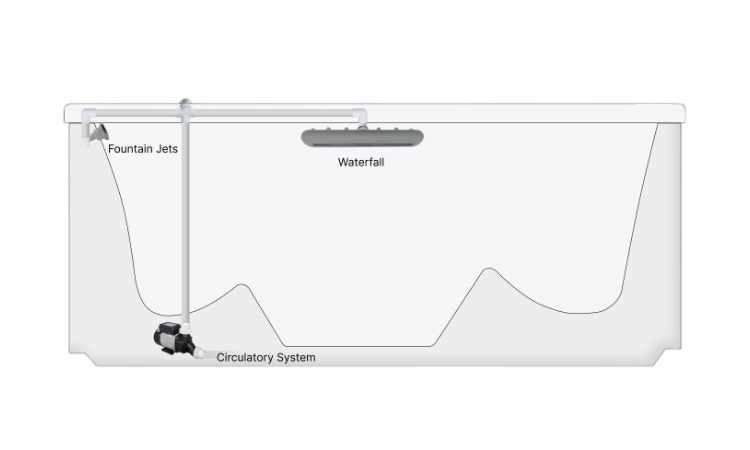
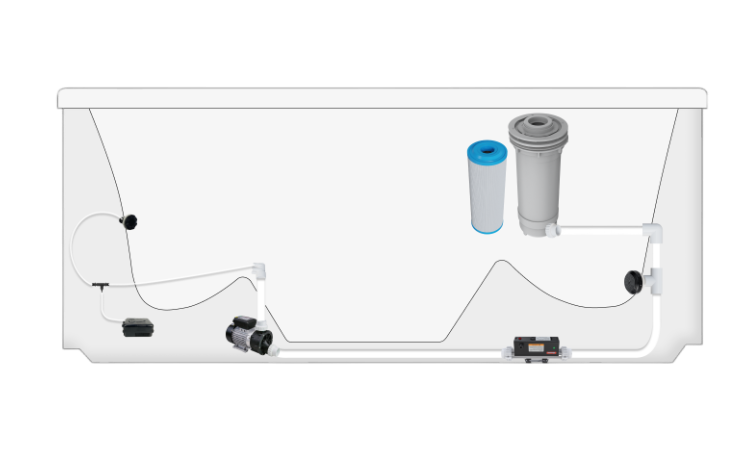
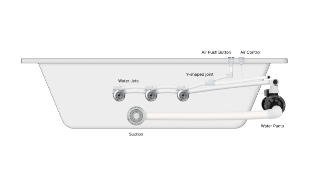
If the spa doesn't have a circulation pump and water only moves when the jets are on, ozone only enters the water briefly, so it has little real effect.
2. Added maintenance and more failure points.
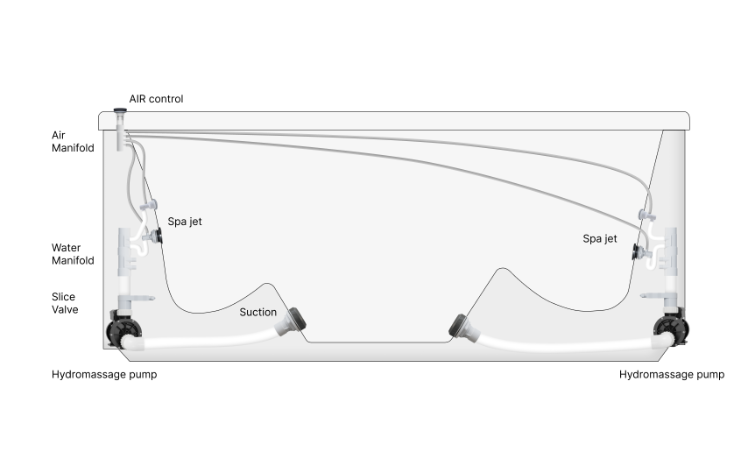
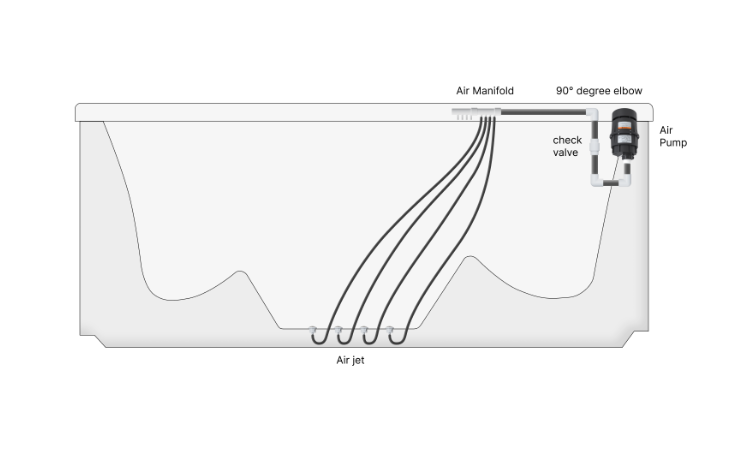
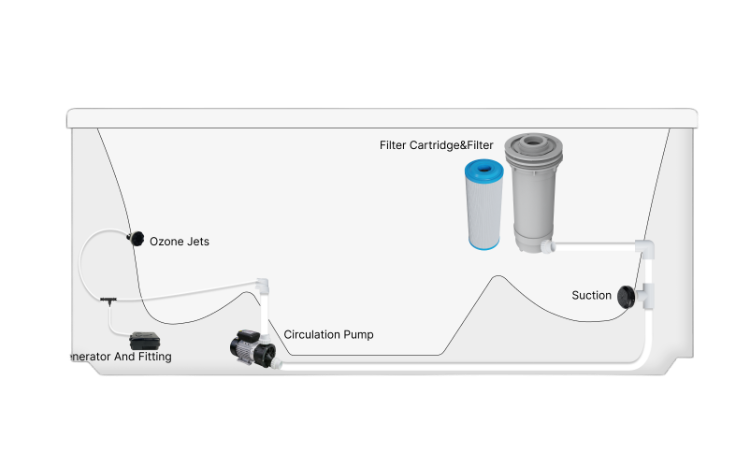
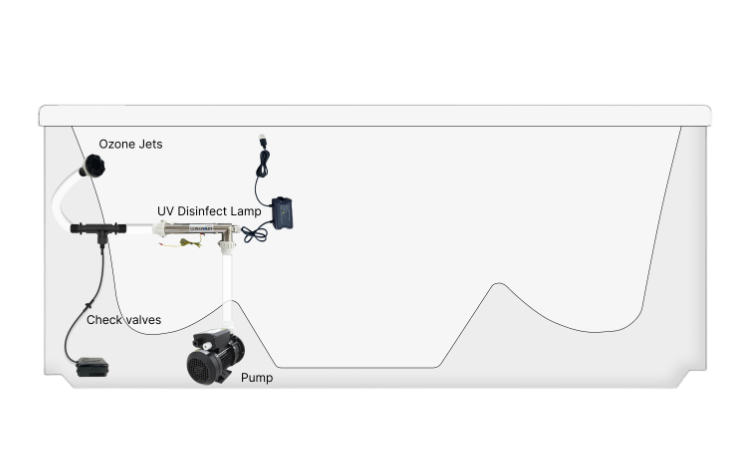
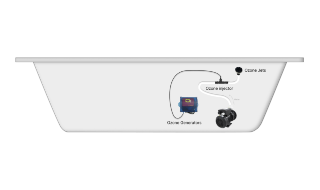
An ozone system adds extra components: the generator, air tubing, check valves, and a injector.
On budget or entry-level spas, these parts are often the first to age or fail.
3. Accelerated aging of certain materials.
Ozone is highly oxidative.
If poorly designed or overdosed, it can speed up aging of rubber seals, cover liners, and some plastic parts.
That's why, before deciding whether an ozone generator makes sense, it's critical to understand how the system is built and how it works.
Spa Ozone Generator Components
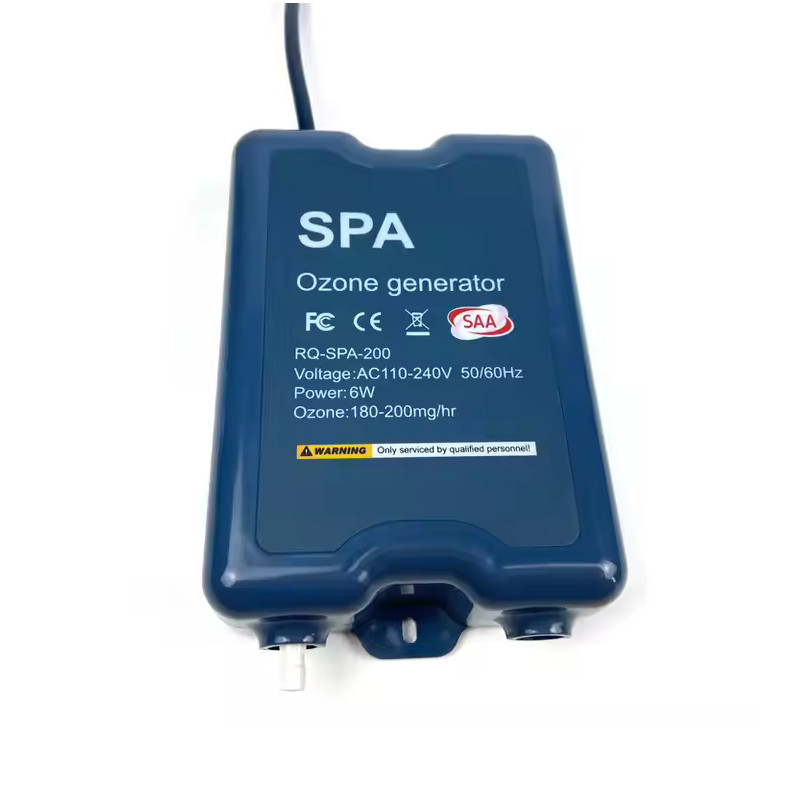
A typical hot tub ozone generator includes several core components:
Housing and mounting hardware
A small, water-resistant plastic enclosure with mounting holes or brackets.
It's screwed onto the spa frame, usually above the waterline to reduce back-flow risk.
Power supply and control circuit
This section converts AC power from the main control box to the voltage required by the ozone unit.
It also controls on/off timing during filtration or circulation cycles.
Ozone generation module
Most modern spas use corona discharge (CD) technology.
Built with high-voltage electrodes and dielectric plates.
High voltage is applied to air or oxygen to convert O₂ into O₃.
More compact and stable than older UV-based ozone systems.
Air inlet and outlet ports
Inlet: draws in ambient air; some systems add basic filtering or drying.
Outlet: typically a barbed fitting connected to ozone-resistant tubing, delivering ozone into the water line.
Role of the Ozone Injector
Many people assume the ozone generator injects ozone directly into the water.
In reality, it doesn't.
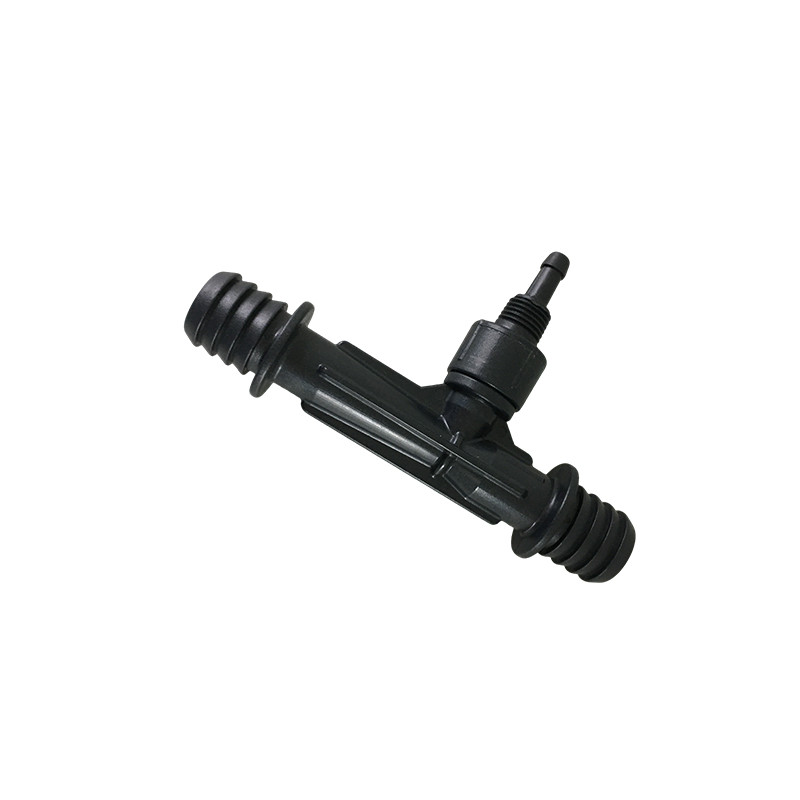
In a spa system, the ozone injector is what actually pulls ozone into the water.
How it works:
Water flows at high speed through the plumbing
A venturi section creates negative pressure
The vacuum draws ozone gas into the water
Ozone mixes in as fine micro-bubbles
How a Spa Ozone Generator Works
When the spa enters a filtration or circulation cycle:
1. The control system powers the ozone generator
2. Ozone is produced via corona discharge
3. Ozone travels through tubing to the venturi injector
4. Negative pressure pulls it into the water line
5. Ozone reacts rapidly through oxidation
6. It breaks down into oxygen and disappears
This process leaves no measurable long-term residual.
There's no lasting residue, which is good for the environment—but it can't do the job alone.
Ozone Generators vs. Chemical Sanitizers
Compared with chlorine or bromine, ozone's key advantages are:
Very fast reaction time
No stable byproducts
No long-term residue in the water
But for the same reasons, ozone cannot replace chemical sanitizers.
In a well-designed system:
Ozone reduces organic load, odors, and chemical demand
Chlorine or bromine provides ongoing, residual sanitation
They work together. One does not replace the other.
Ozone Generators vs. UV Systems
In spa water treatment, ozone and UV are often compared.
A simple breakdown:
Ozone: works within the water, injected through plumbing, but may affect material durability.
UV: only effective inside the lamp chamber, with no lasting effect beyond that zone.
In small residential spas, both share similar limitations:
They rely on flow time and system design and provide no residual protection.
So the choice is less about "which is more advanced,"
and more about system positioning, cost control, and maintenance strategy.
Common Ozone Generator Issues and Troubleshooting
Finally, let's take a look at common troubleshooting for ozone systems.
Even with these differences, real-world problems rarely come from the ozone generator itself. Most issues arise from the surrounding system, such as plumbing, check valves, or venturi injectors.
For example:
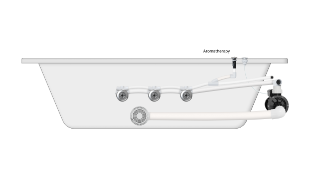
Check valves: block ozone if scaled or worn, stopping gas from entering the water.
Venturi air ports: tiny openings can clog with scale or debris, reducing injection efficiency.
Ozone tubing: kinks, cracks, or hardened silicone can prevent proper flow.
Addressing these peripheral components is often the key to maintaining ozone system performance, rather than the generator itself.
Hydrorelax Thoughts
At Hydrorelax, we don't see ozone generators as a must-have.
We look at them as part of the overall water treatment system.
With 20+ years of experience, we focus on the basics:
Is there continuous circulation?
Does ozone have enough contact time?
Are the materials truly ozone-safe long term?
And does it add real value for the target market?
That's why we don't just supply ozone units. We also review the control logic, circulation setup, plumbing, and primary sanitizer, so everything works together for long-term stability.
If you're deciding whether ozone makes sense for your spa project, contact Hydrorelax for further discussion.