




Hot Tub Diverter Valves: Components, Types, Maintenance, and Replacement
In this blog, we'll dive deeper into hot tub diverter valves, focusing on the details of maintenance and replacement. Whether you're a spa brand or a wholesaler, understanding the components, types, and proper maintenance of diverter valves can help reduce breakdowns and after-sales issues.
Hot Tub Diverter Valve Components and Types
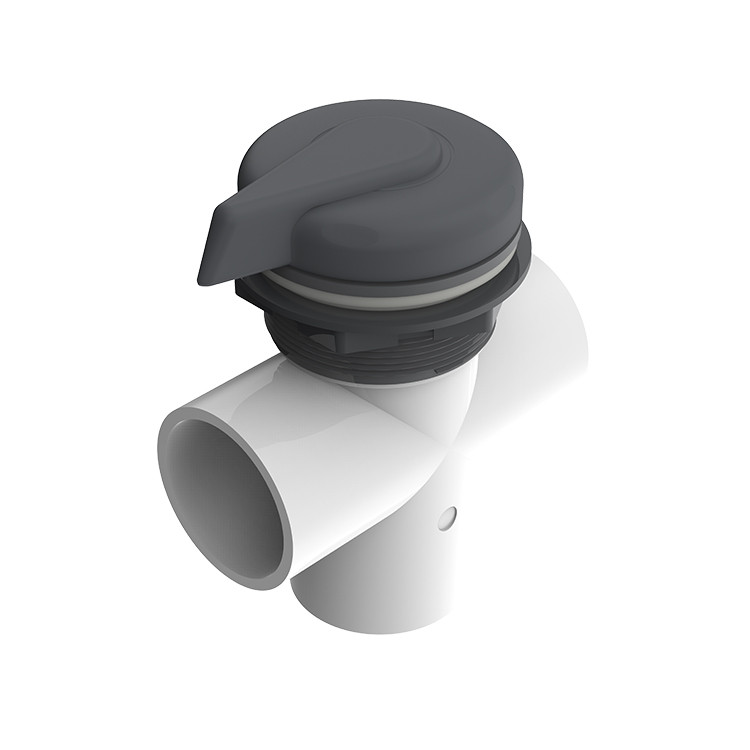
When you take apart a diverter valve, you'll find five main components: the valve body, handle, diverter valve gate/rotor insert, lock nut & top housing, and the sealing gasket.
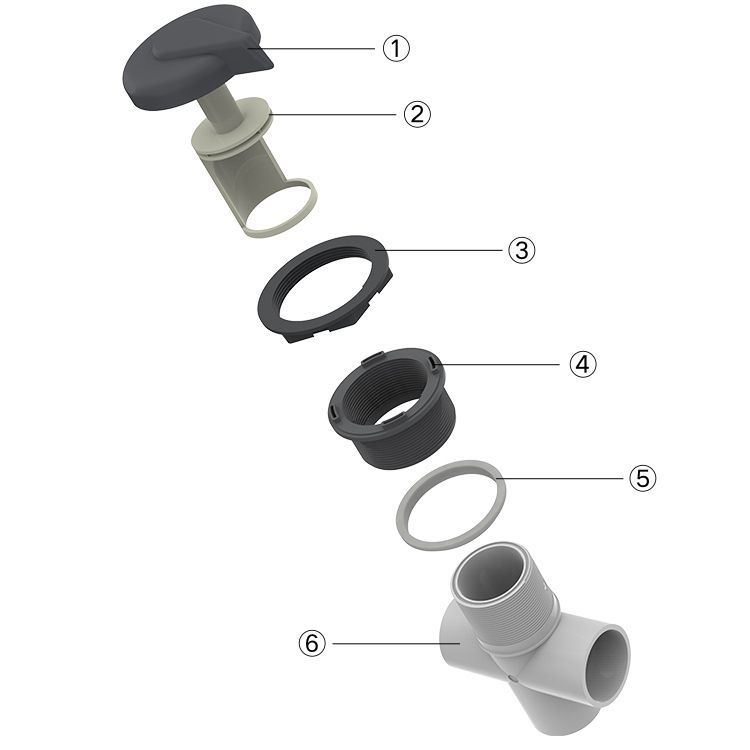
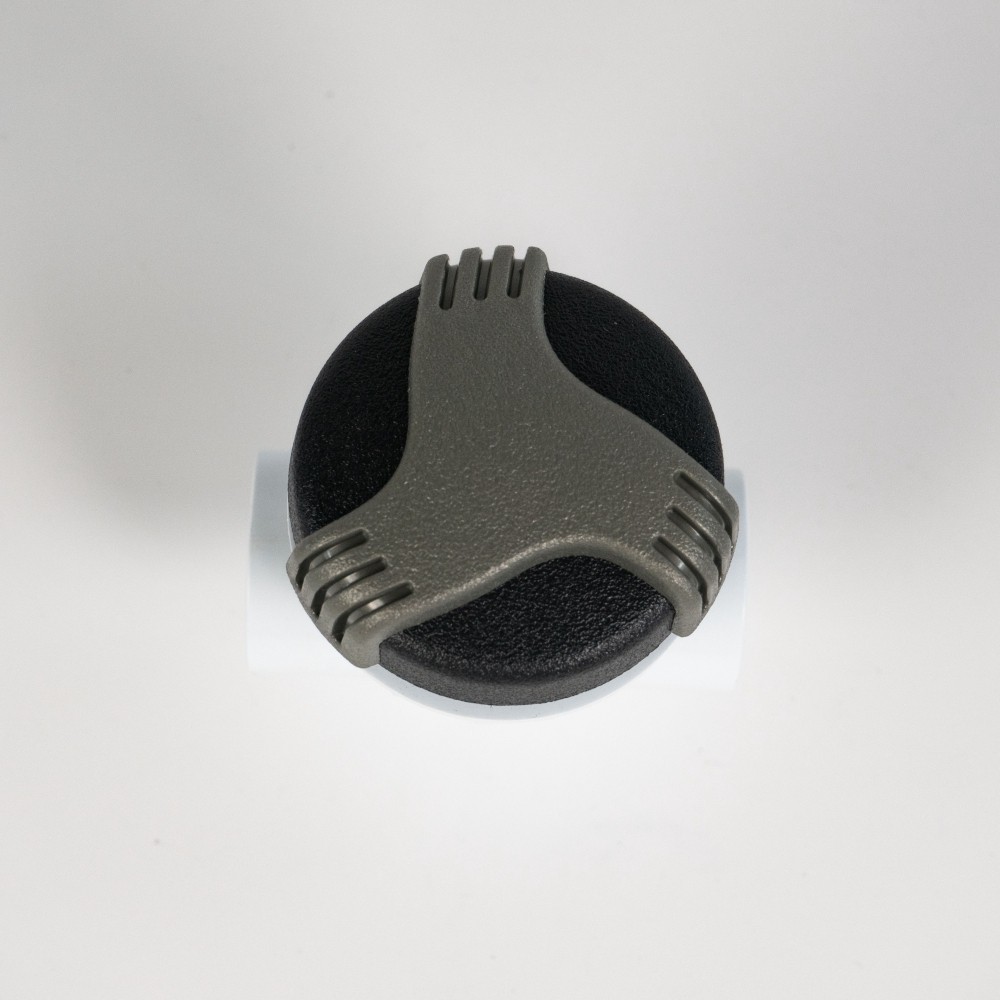
At the top is the handle, which controls the water flow direction. Different brands may have variations in shape, size, and feel. The comfort and durability of the handle are crucial for the user experience.
The diverter valve gate (or rotor insert) is the core internal component, responsible for directing the water from the inlet to various jet lines. It's usually made from engineering plastic, and when paired with an O-ring, it ensures smooth operation and leak-proof sealing.
The lock nut and top housing are used to secure the handle and valve gate, ensuring stability during operation.
The sealing gasket (O-ring) prevents water leakage from the valve body. Its sealing performance and durability directly impact the valve's lifespan.
At the bottom is the valve body, typically made of high-temperature plastic or corrosion-resistant metal, serving as the main structure that channels the water flow.
Many spa brands design their top handles with unique shapes, focusing on both aesthetics and user comfort. This is one of the key factors spa manufacturers consider when sourcing from China.
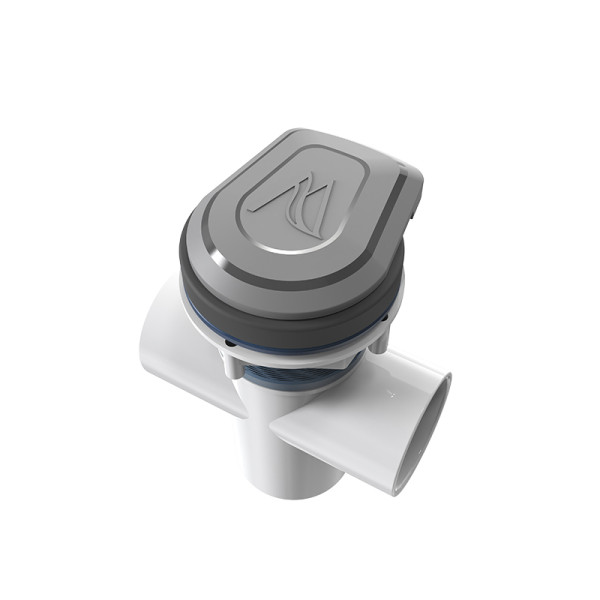
Connection Size:1.5"
Material:PVC body+Chrome-plated ABS
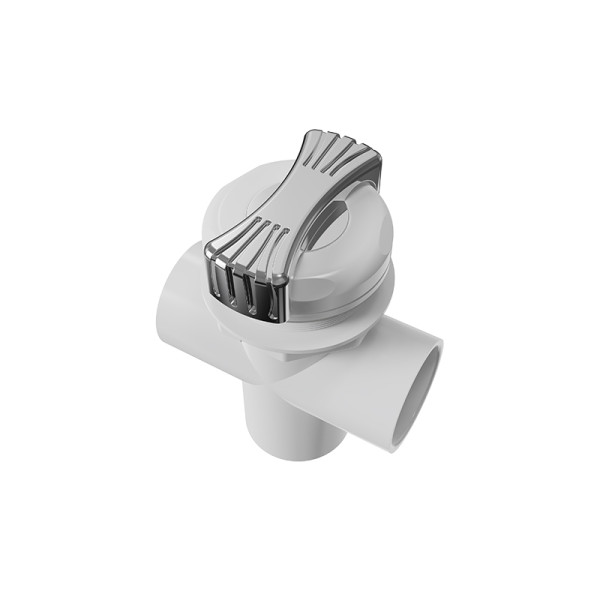
Connection Size:2"
Material:PVC body+Plastic cover
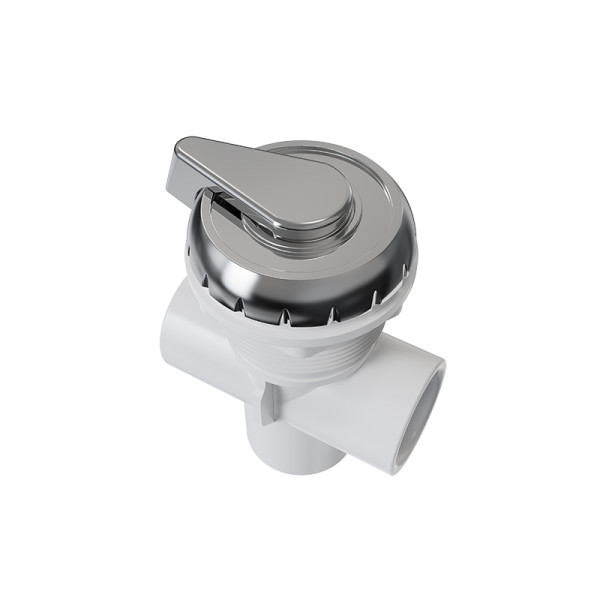
Connection Size:32MM Three-way Diverter valves
Material:PVC body+Chrome-plated ABS
The handle not only affects usability but also the overall style of the product. Over time, the materials, design, and durability of handles have been continuously improved.
Types of Spa Diverter Valves
We can also roughly categorize diverter valves into several types:
1.3-Way Diverters
These valves switch water flow between three different outlets. They are commonly used in hot tub systems that need to control the main jet group, neck jets, and waterfall jets simultaneously.
2.Waterfall Diverter Valves
Specifically designed for controlling waterfalls or decorative water features. They are easy to operate, with smooth on/off controls, making them perfect for high-end spas looking to add visual appeal.
3.ON/OFF Valves
These serve a simpler purpose, primarily turning a water flow on or off completely. They are often used for auxiliary lines or secondary jet controls.
While these valves share similar functions, there are slight differences in internal valve design, gasket arrangement, rotational resistance, and installation methods. This means that when maintaining or replacing diverter valves, it's important to choose parts that match the valve core structure and number of outlets.
How to Maintain Your Hot Tub Diverter Valve
Most issues with diverter valves are related to the diverter cap and internal parts. Common problems include:
A difficult-to-turn valve or one that makes strange noises is usually caused by aging O-rings, lack of lubrication, or wear on the internal plastic parts.
Alternatively, uneven water flow or partial diversion can happen due to debris blocking the valve core's internal channels or wear between the valve core and body, which can cause leaks.
Another issue is minor leaks from the diverter valve, which are usually caused by aging seals or improper installation. It's important to regularly check and replace the O-rings.
So, how can you effectively maintain your diverter valve?
Regularly check the handle's movement to ensure it turns smoothly. If resistance increases, remove the handle and valve cover to inspect whether the valve core or O-ring needs cleaning or replacement.
Clean the internal valve components to remove any debris or buildup that could block water flow or cause wear.
Apply silicone-based lubricant to the O-ring surface to keep the valve turning smoothly. Avoid using petroleum-based lubricants as they can damage the seals.
Check the valve cover and threads to ensure the cover is tightly secured to prevent leaks.
With simple maintenance, you can extend the life of your diverter valve, enhance the overall spa experience, and reduce after-sales repair costs.
How to Replace a Hot Tub Diverter Valve
As mentioned earlier, a diverter valve consists of five main components. In most cases, you don't need to replace the entire valve, just the internal parts or cap that are damaged.
If the following issues occur, only the internal parts need to be replaced:
1.The valve is hard to turn, makes a squeaking sound, or only diverts water partially.
2.After removing the cap, you notice broken plastic parts or stripped threads.
If these issues arise, you should replace the entire valve body:
1.There is leakage in the plumbing around the valve.
2.The housing opening has cracks or the valve body is damaged.
What tools and parts will you need?
1.A new diverter valve assembly or repair kit (cap, handle, gate/rotor insert, O-rings)
2.Phillips or flathead screwdriver, or a hex key (for the handle set screw)
3.Needle-nose pliers or a screwdriver to pull out the rotor
4.Silicone-based lubricant for the O-rings (optional)
PS: Always turn off the power and drain the water below the valve level before starting.
Replacing Cap and Internal Gate
These steps apply to most top-mounted hot tub diverter valves:
Turn off the spa breaker first. If the water is still hot, open the cover and let the tub cool down a bit.
Remove the handle and cap. Take off the decorative cap in the center of the handle, loosen the set screw or center screw, then lift off the handle. Unscrew the cap. Some can be pulled straight out, while others need to be twisted as you remove them.
Remove the diverter valve gate. Thread a wood screw into the center of the plastic gate, then pull straight up to take it out. Check for cracks, missing parts, or worn seals.
Next, inspect the cap and replace it if needed. Focus on the threads, as older caps often crack or fail to tighten properly. If damaged, replace it with an upgraded, thicker cap that matches your spa model.
Install the new valve gate and O-rings. Lightly apply silicone lubricant to the new O-rings, then press the new gate into the valve body. Make sure any flat edges or alignment tabs match the original position. It should sit fully in place and turn smoothly by hand.
Reinstall the cap and handle. Align the cap with the base and tighten it, but do not over-tighten. Make sure the handle can rotate freely from one side to the other.
Finally, test the setup. Restore power and turn on the pump. Rotate the diverter and check that water flows smoothly between jet groups, and make sure there are no leaks around the cap.
Practical Tips and Safety
When buying replacement parts for a diverter valve, always choose the same brand and model. Plumbing layouts and cap designs can vary between manufacturers, so compatibility matters.
If your spa has a tight access area or a complex plumbing setup, it may be worth hiring a technician to avoid potential damage or leaks.
Diverter Valve FAQ
1. What is a Diverter Valve Gate (Rotor Insert)?
The diverter valve gate, also known as a rotor insert, is the core internal component of the valve. It directs water flow between different outlets. While designs and materials may vary by manufacturer, the function is essentially the same.
2. How often should O-rings be replaced?
It depends on usage and water quality. As a general rule, check them every 2–3 years. If you notice cracking, hardening, or wear, replace them promptly.
3. What should I do if the handle is hard to turn?
Start by checking for debris or wear inside the valve. Apply a silicone-based lubricant. If it's still stiff, consider replacing the gate or internal components.
4. Can I replace a diverter valve myself?
If there's enough access space and you have basic tools and hands-on experience, DIY replacement is possible. However, for tight layouts or aging systems, it's safer to hire a professional.
5. How do I fix a leaking diverter valve?
In most cases, it's caused by worn O-rings or damaged cap threads. Try replacing the O-rings first. If the issue persists, check for cracks in the valve body, if needed, replace the entire valve.
Hydrorelax Final Words
We hope this guide helps spa manufacturers and wholesalers better understand diverter valve components, types, and maintenance, leading to fewer after-sales issues and enhanced product performance.
With 25 years of experience in hot tub components, Hydrorelax offers a one-stop solution for diverter valves, control valves, spa jets, and spa system.
For sourcing, customization, or technical support, contact the Hydrorelax team. We are committed to providing reliable solutions for your projects.
About the Author
This article was written by Shirley, who has been working in the spa and wellness industry for many years and has solid experience in hot tub components.
Her work focuses on product research and market insights. By sharing practical and professional content, she aims to help spa brands and manufacturers better understand market needs, improve product design, and strengthen their competitiveness.
Recommended Products
Connection Size:1.5"
Material:PVC body+Chrome-plated ABS
Connection Size:32MM Three-way Diverter valves
Material:PVC body+Chrome-plated ABS
Connection Size:2"
Material:PVC body+Plastic cover
1.5" Three-way Diverter valves