







Bathtub Plumbing Fitting Purchasing Guide for Europe OEM and Wholesale Buyers
In the European bathroom and wellness supply chain, bathtub plumbing fittings manufacturers and spa pipe fittings suppliers play a critical role in supporting OEM bathtub brands, wholesale distributors, and commercial project contractors. While end users focus on design and comfort, procurement teams prioritize the reliability of connectors, pipe fittings, and valves that form the backbone of every bathtub plumbing system.
For European markets, consistent quality, CE-compliant materials, and stable batch supply of wholesale bathtub fittings are essential for large-scale housing projects, hotel developments, and private-label bathroom hardware programs.
What Are Bathtub Plumbing Fittings?
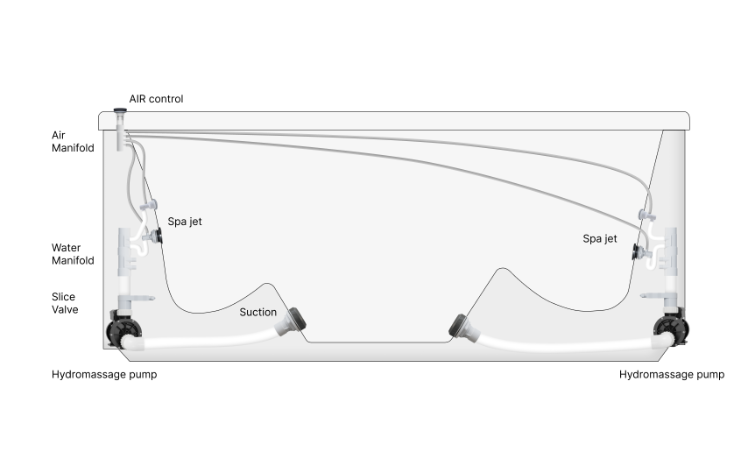
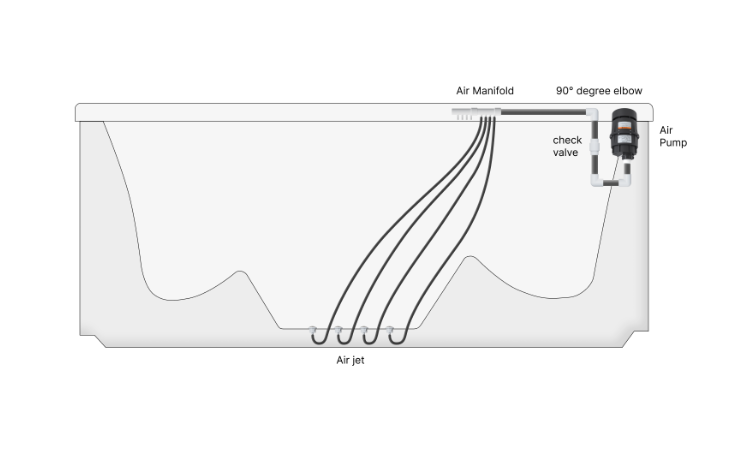
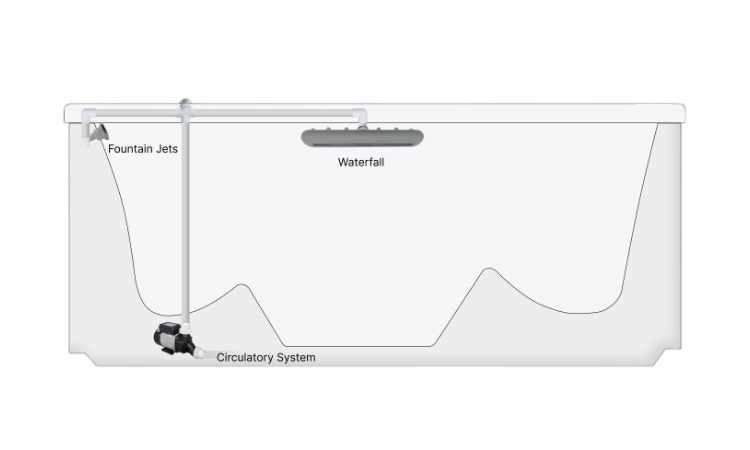
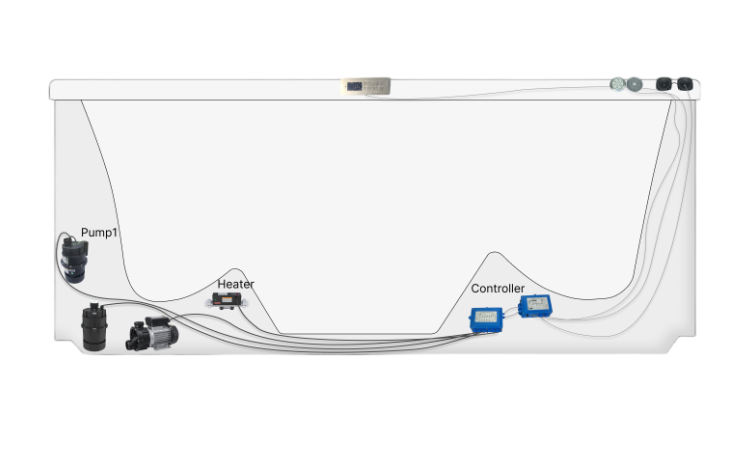
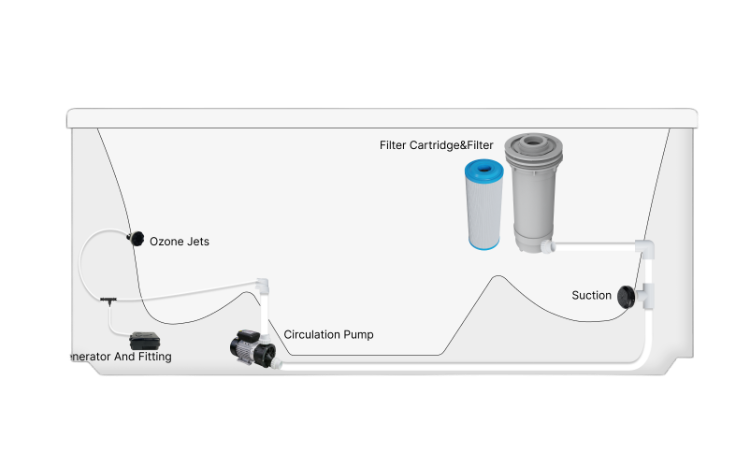
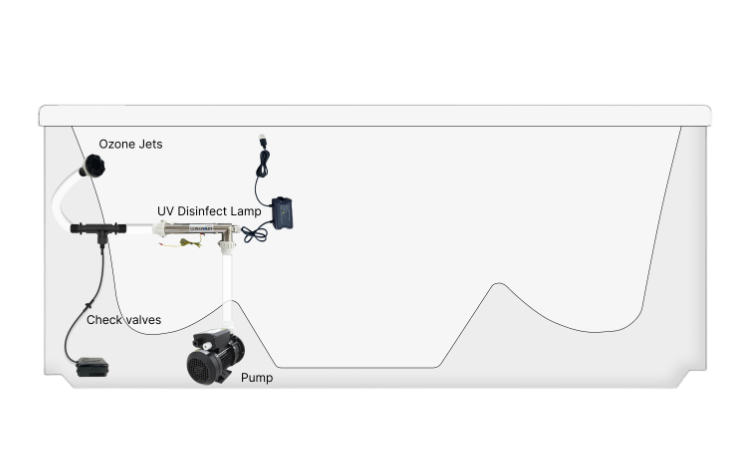
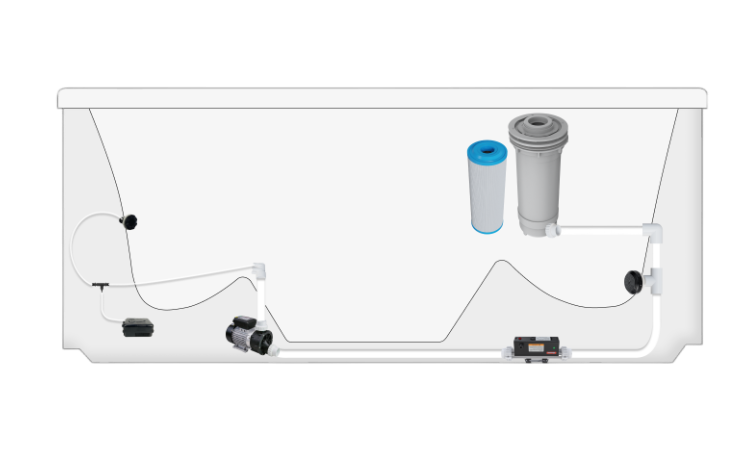
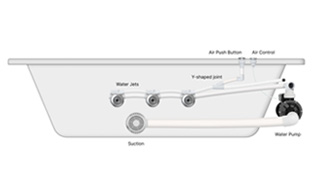
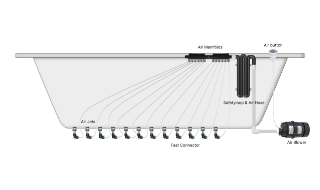
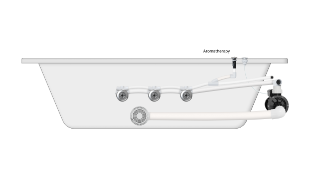
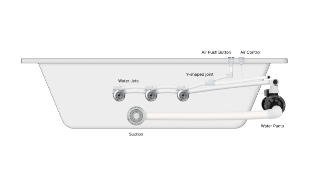
Bathtub plumbing fittings refer specifically to the structural components that connect, redirect, and control water and air flow inside a bathtub or spa tub system. These include connectors, elbows, T-joints, Y-joints, couplings, reducers, hoses, drain valves, and check valves.
For European OEM buyers, these parts are evaluated not only for compatibility and pressure performance, but also for long-term durability, dimensional consistency, and regulatory compliance.
Main Categories of Bathtub Connectors and Valves for European Buyers
1. Straight Connectors and Couplings
Straight connectors and couplings are used to join two pipe sections of the same diameter, ensuring a sealed and stable connection throughout the plumbing line. These bathtub connectors are widely applied in both water circulation and air piping systems.
European spa pipe fittings suppliers often provide reinforced PVC or ABS options for residential use, and stainless steel or heavy-duty polymer variants for commercial projects.

2. Elbows, T-Joints, and Y-Joints
These spa pipe fittings are designed to redirect flow direction and distribute water or air into multiple lines. Elbows allow for angular routing, while T-joints and Y-joints enable system branching in compact bathtub layouts.
For OEM bathtub brands, consistent molding accuracy and tight tolerances are essential to reduce installation time and minimize leakage risks during mass production.

3. Reducers and Diameter Adapters
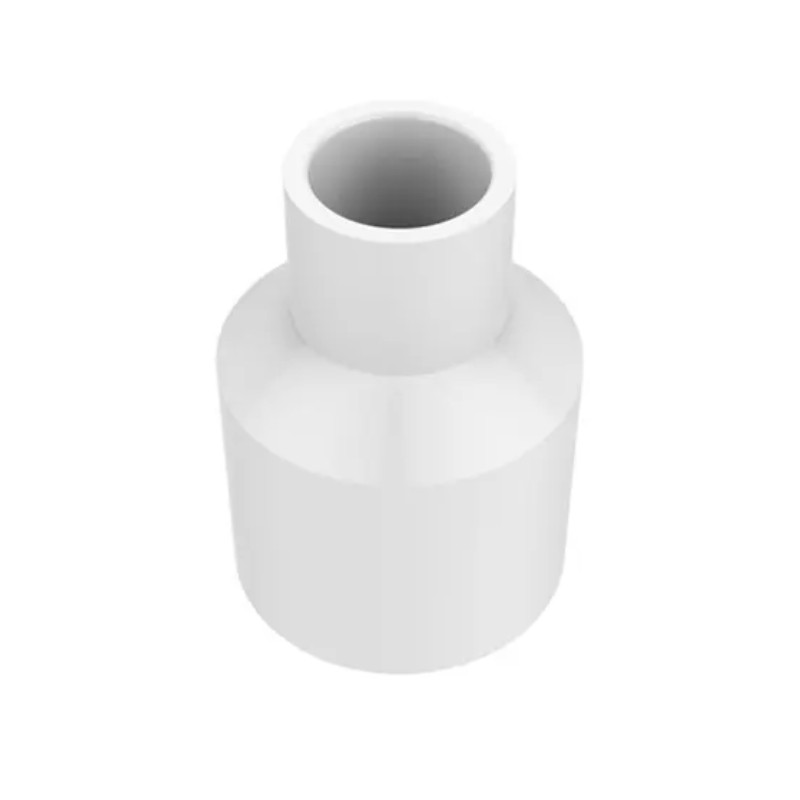
Reducers allow transitions between different pipe diameters, making them critical in mixed-size plumbing systems. These bathtub plumbing fittings are commonly used to connect pumps, valves, and main hose lines within spa and whirlpool tubs.
4. Valves: Drain Valves and Check Valves
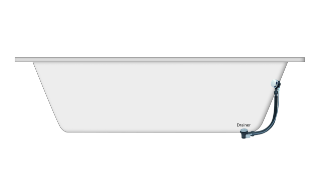
Bathtub drain valves and check valves control water discharge and prevent backflow in both residential and commercial installations. These components are essential for system safety, maintenance access, and long-term operational stability.
European wholesale bathtub fittings buyers typically prioritize cycle-tested designs and corrosion-resistant materials for high-usage environments such as hotels and apartment complexes.

5. Hoses and Flexible Pipe Systems
Bathtub drain valves and check valves control water discharge and prevent backflow in both residential and commercial installations. These components are essential for system safety, maintenance access, and long-term operational stability.
European wholesale bathtub fittings buyers typically prioritize cycle-tested designs and corrosion-resistant materials for high-usage environments such as hotels and apartment complexes.

How Plumbing Fittings Shape the Performance of an Entire Bathtub System
A new wellness center opened in the hills outside Florence, the installation team focused as much on the plumbing fittings as on the tubs themselves.
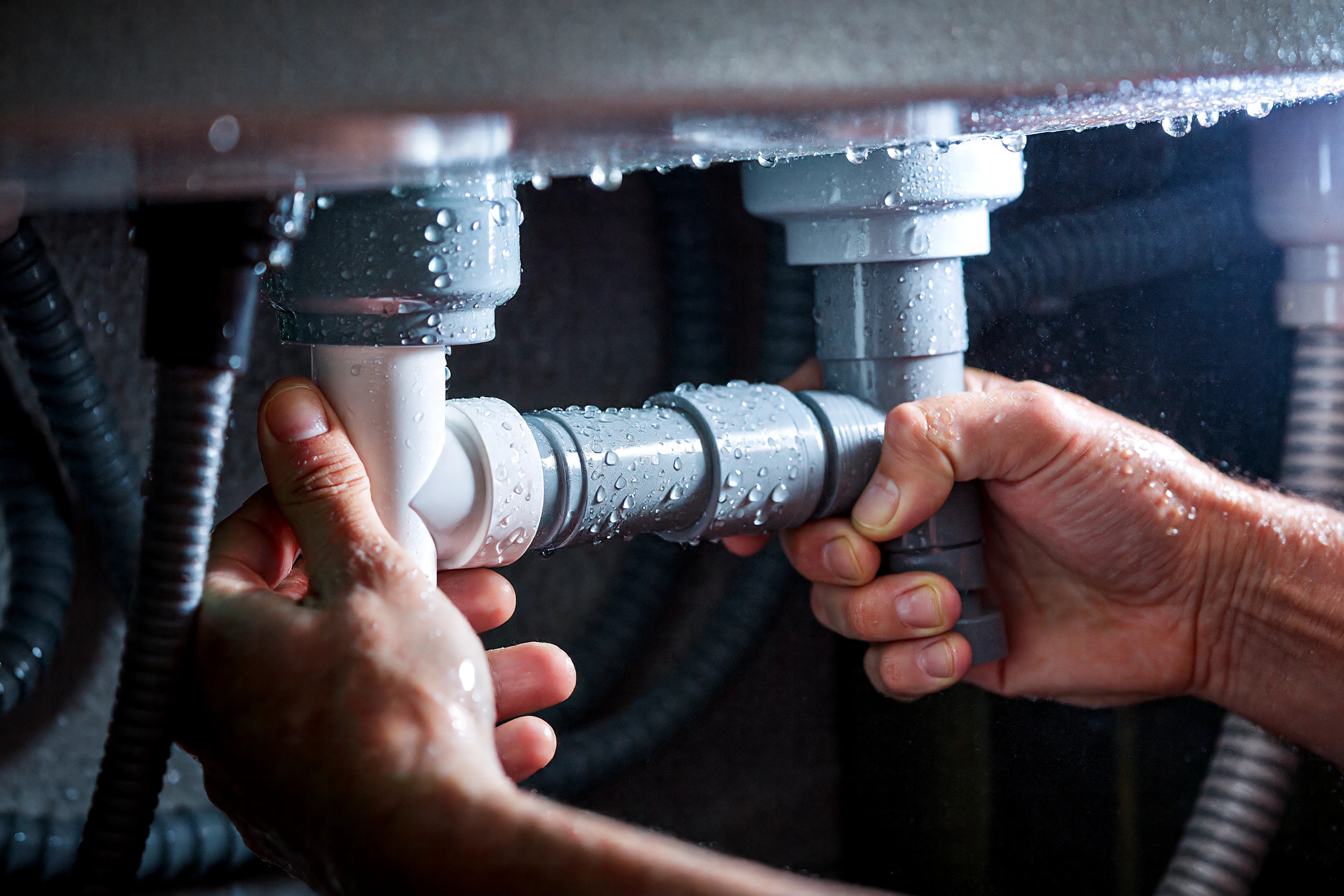
During the first test run, the team noticed that two tubs filled unevenly. Tracing the issue through the system revealed how each fitting played a role. A slightly rotated elbow created extra resistance, slowing water into one branch. A T-connector further downstream split the flow unevenly, while a partially obstructed manifold port reduced supply to the final tub in the line. Even the flexible hoses, intended to simplify installation, had been routed too tightly, narrowing the path and amplifying the imbalance across the system.
By realigning the elbows, adjusting the T/Y connectors, clearing the manifold ports, and giving the hoses a straighter run, the entire network began to behave as one coordinated system rather than a series of isolated parts. Water levels equalized, pressure stabilized, and every bathtub delivered the same performance.
For B2B buyers and OEM partners, this scenario illustrates a simple truth: the reliability of a bathtub or spa installation is defined by the quality and compatibility of its plumbing fittings. Selecting the right combination of fittings—and installing them as an integrated system—directly impacts efficiency, durability, and end-user satisfaction.
Compliance and Quality Expectations in the European Market
European bathtub plumbing fittings manufacturers must comply with CE regulations, material safety standards, and environmental requirements. Importers and distributors often require technical drawings, pressure test reports, and batch traceability documentation before approving long-term supply contracts.
How OEM Brands and Distributors Evaluate Fittings Suppliers
When selecting a spa pipe fittings supplier, European buyers typically focus on:
1. Manufacturing scale: ability to support long-term batch production
2. Consistency: stable quality across multiple shipments
3. Documentation: CE compliance and export-ready technical files
These factors often outweigh short-term pricing advantages.
Quality Bathtub Plumbing Starts with a Reliable OEM Supplier
Looking for a reliable manufacturer and bulk supplier of bathtub plumbing fittings and spa pipe connectors for the European market?
Hydrorelax specializes in factory-direct OEM production, long-term batch supply, and CE-compliant manufacturing for bathtub brands, wholesale distributors, and commercial contractors.
Our production capabilities support stable tooling, consistent quality control, and export-ready documentation, ensuring dependable delivery for hotel projects, residential developments, and private-label bathroom hardware programs.
Contact us to request samples, and wholesale pricing for your European OEM or distribution project!