




Spa Control System:15 Common FAQs Explained
1. What does a spa control system usually control?
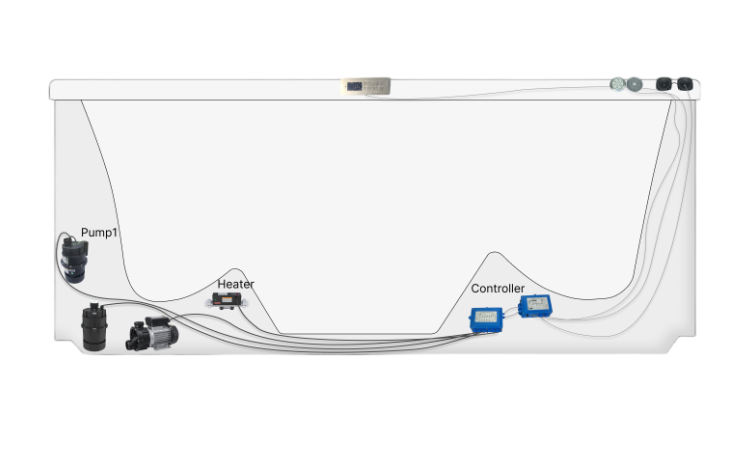
Mainly the pump, heater, and filtration cycles.
2. What are the two main types of spa control systems?
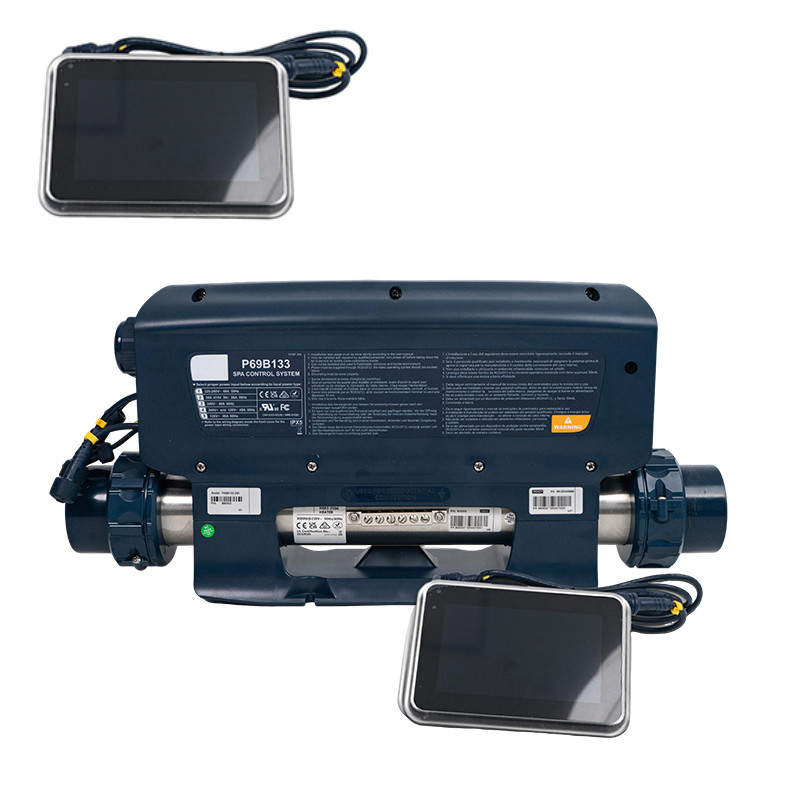
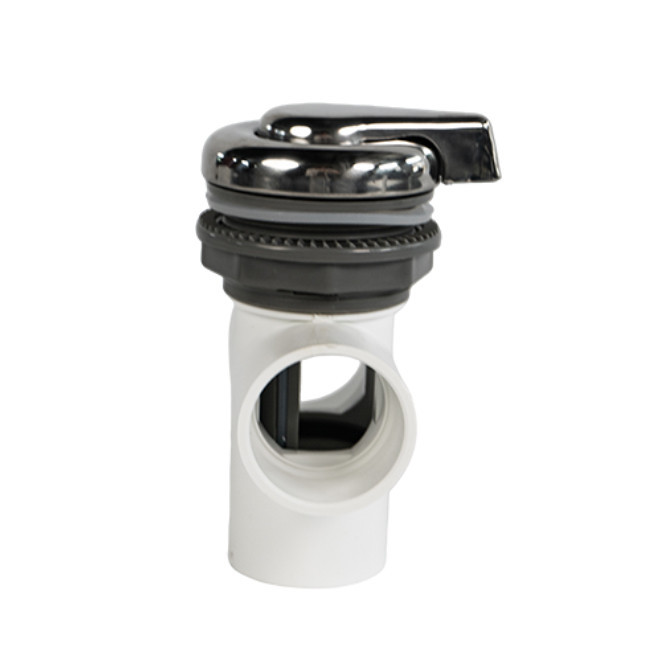
Digital electronic control systems and pneumatic (air-switch) control systems.
3. How does a pneumatic control system send signals?
When you press the button, a burst of air travels through a small tube and activates an internal air switch, which turns the equipment on or off.
4. How can you tell a digital system from a pneumatic system by the connections?
Digital systems use a multi-core cable to connect the top control panel directly to the main control pack.
Pneumatic systems, besides the power cable, have several air tubes running from the buttons to the air switches.
5. What are the three key things to match when choosing a new spa control system?
Heater type, Topside control panel, Physical size of the control pack.
Always check the heater voltage (V) and power rating (kW / A) listed on the control board. It should match(or at least meet)the rating of your existing heater. Full matching is strongly recommended.
If you plan to keep your current heater, confirm with the supplier that the new control system fully supports your heater model and temperature sensors. For safety and simplicity, using the heater included in the new control kit is usually the best option.
If you're installing a new heater, make sure the pipe diameter and mounting style are compatible with your existing plumbing so it can be swapped in without issues.
6. What's the main advantage of a 240V spa control system over a 120V system?
It delivers more power, heats the water much faster, and is better suited for medium to large spas or systems with multiple pumps.
7. What are the limitations of a 120V spa control system?
1. Lower heating power.
2. The heater may not run at the same time as certain components (like the jet pump).
3. Best for small or entry-level spas.
8. Common Spa Control Replacement Kits
Balboa:The "BP" (Spa Pack) series is very common. It offer many universal retrofit kits.
Gecko:The in.ye(2-pump) and in.xe(1-pump) series are popular. Their retrofit kits are well-documented.
Hot Spring/ Watkins:Often use proprietary systems, but factory refit kits are available.
9. If the system is configured for 120V, how must the heater and circuits be set up?
All circuits must be configured for 120V. Mixing voltages is not allowed.
10. Do you need to remove the heater before removing the control system?
Usually, no, the heater does not need to be removed in advance.
That said, always disconnect all power and confirm the system is fully powered off before starting any work.
If you're unsure about the internal layout, disconnecting the heater plumbing is a safer and more standard approach, especially when:
1. You're replacing the entire control system.
2. The control box and heater are built into a single unit.
3. Space is tight and forcing removal could damage the plumbing.
11. If you plan to keep the existing pump, what should be checked before installing a new control system?
Confirm that the pump's voltage and power ratings, start type (single-speed, dual-speed, or variable-speed), and wiring method are fully compatible with the new control system. When in doubt, check with the supplier or technical support first.
12. Can the control system support adding pumps or accessories later?
That depends on the control board's hardware configuration at the factory, not just software settings.
Even if ports are physically present, expansion may still be impossible if:
1. The required relays are not installed.
2. The software does not enable those functions.
That's why planning for future expansion at the selection stage is critical.
13. Can spa control systems from different brands be used interchangeably?
Most major brands, such as Balboa and Gecko, offer retrofit solutions, but that doesn't mean they're plug-and-play.
You still need to confirm compatibility for:
1. Number and type of pumps
2. Heater specifications
3. Sensor connection types
4. Topside control communication protocol
14. Does the topside control have to be the same brand as the main control pack?
In almost all cases, yes. The topside control must fully match the main control pack in both communication protocol and software version.
15. Do system settings need to be reconfigured after replacing the control system?
Yes. A new control system should be properly initialized and configured based on the actual setup. Key settings to confirm include:
1. Temperature range
2. Filtration cycles
3. Pump operating modes
Hydrorelax Tips
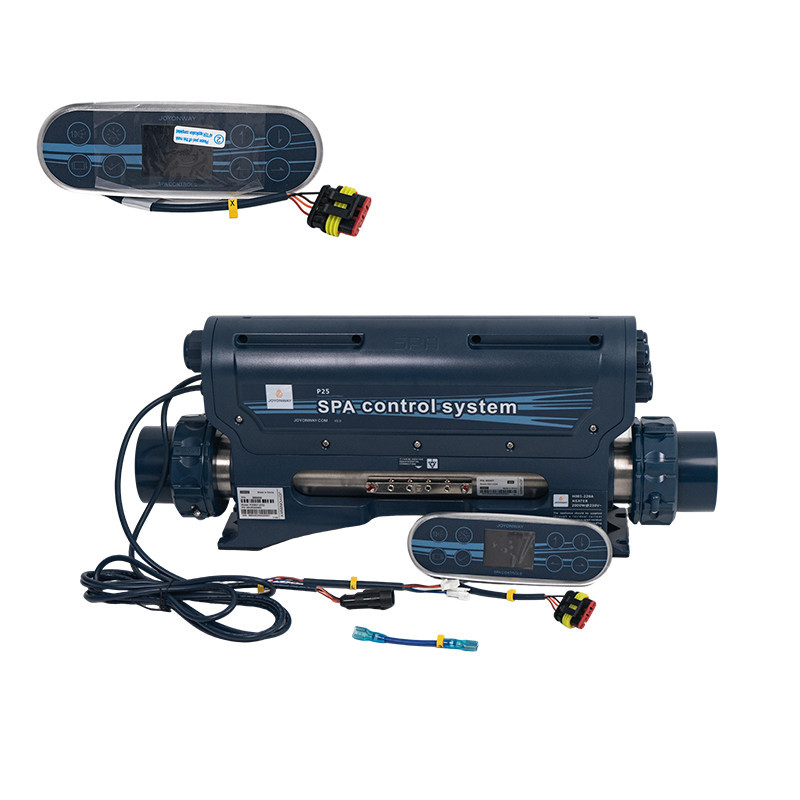
With over 20 years of experience in spa control systems and complete system solutions, we've found that most system issues don't come from the control board itself, but from incorrect compatibility decisions.
When replacing a control system, looking at the entire system match—control pack, heater, pumps, and sensors, is usually safer and more cost-effective than swapping a single component in isolation.
If you are evaluating a spa or hot tub control system replacement, upgrade, or full retrofit, please contact Hydrorelax.
Our team can assist in verifying your existing setup and recommending the most compatible and reliable system configuration.