




Inflatable Hot Tub, Foam Wall Hot Tub, or Plug-and-Play Hot Tub: Which One Should You Choose?
First published: September 16, 2026 · Last updated: September 16, 2026 · By Sofia · Category: Blog
Many people want to buy a hot tub, but traditional models often start at $5,000+ and require professional electrical installation. This leads many buyers toward plug-and-play options with fewer installation requirements. However, “plug-and-play” is not one single product type. Inflatable, foam wall, and rigid plug-and-play hot tubs differ in usage limits, operating costs, durability, and massage performance. Understanding these differences first can reduce the risk of choosing the wrong product.
Three Hot Tub Types: What Should You Compare First?
The clearest differences among the three types involve price, electrical requirements, insulation, massage system, portability, storage, and expected lifespan.
Inflatable Hot Tub
Foam Wall Hot Tub
Plug-and-Play Hot Tub
Price
Low
Medium
High
Electrical Requirement
Standard 15A outlet
15A / 20A upgrade
Average Lifespan
1-3 years
5-10 years
10+ years
Massage System
Bubble
Water Jet
Insulation Performance
Worst
Good
Best
Heating + Massage at the Same Time
No
No; possible after electrical upgrade
Portable & Storage
Yes
No
Year-Round Use
No
Suitable for mild climate zones
Yes
Upgradeable to 220V
No
Yes
Inflatable Hot Tubs: Why Are They Easier to Try?
An inflatable hot tub uses a PVC air chamber structure and can operate from a standard 120V / 15A household outlet, making setup and storage relatively simple.
Inflation and filling typically take about one hour. The tub can be deflated and stored when not in use. Its massage function relies on bottom bubble jets rather than directional water jets powered by a water pump.
Representative brands: Intex PureSpa, Bestway SaluSpa, and Coleman SaluSpa.
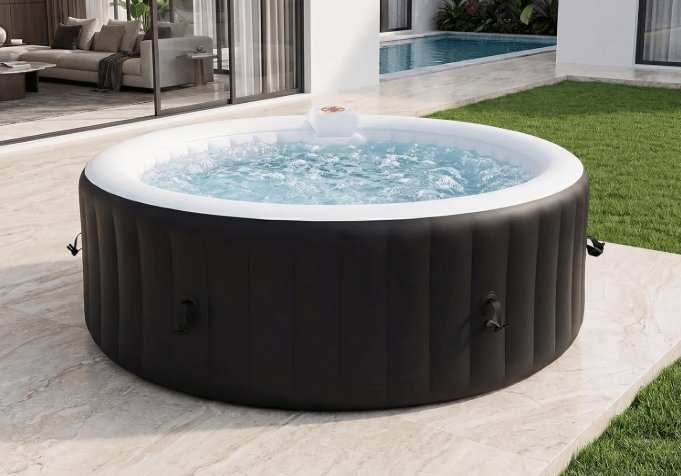
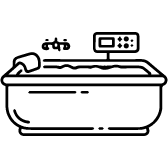
Inflatable hot tub
Foam Wall Hot Tubs: How Do They Balance Insulation and Portability?
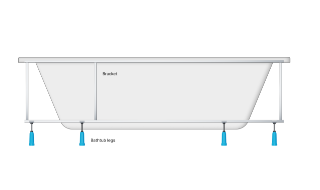
A foam wall hot tub uses rigid, high-density polyurethane foam panels for the wall structure, with a treated PVC outer layer to improve weather resistance.
Solid foam insulation replaces the air layer used in inflatable models, so thermal efficiency is generally better. These tubs also typically use a standard outlet and can still be moved or stored when needed.
Representative brands: Lay-Z-Spa Toronto and the Wave Spa foam series.
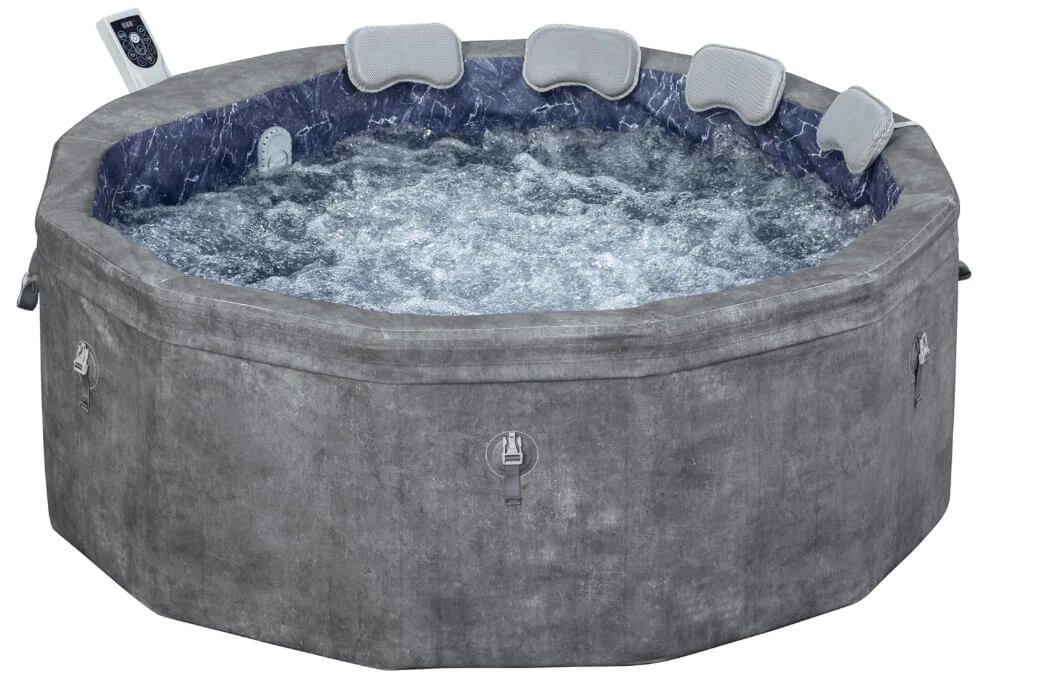
Foam wall hot tub
Plug-and-Play Rigid Hot Tubs: What Do the Electrical Configurations Mean?
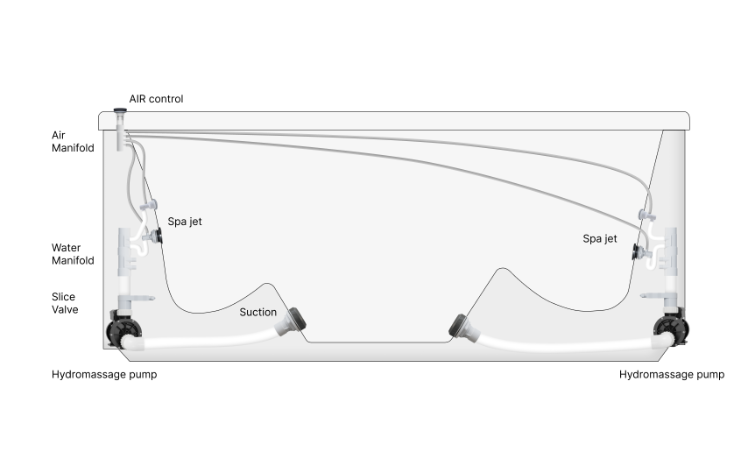
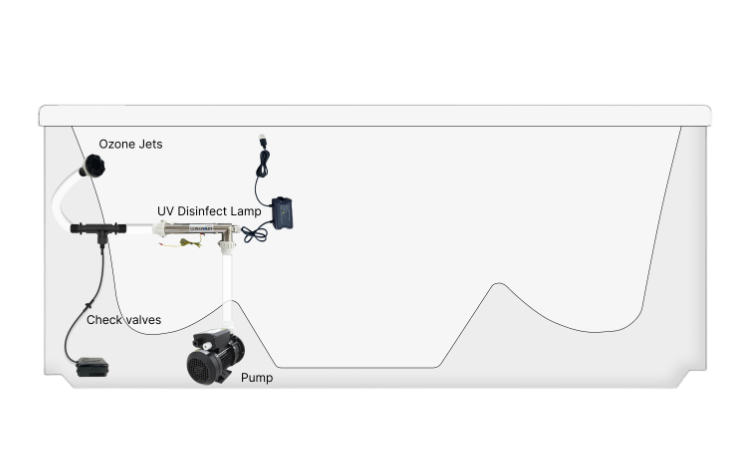
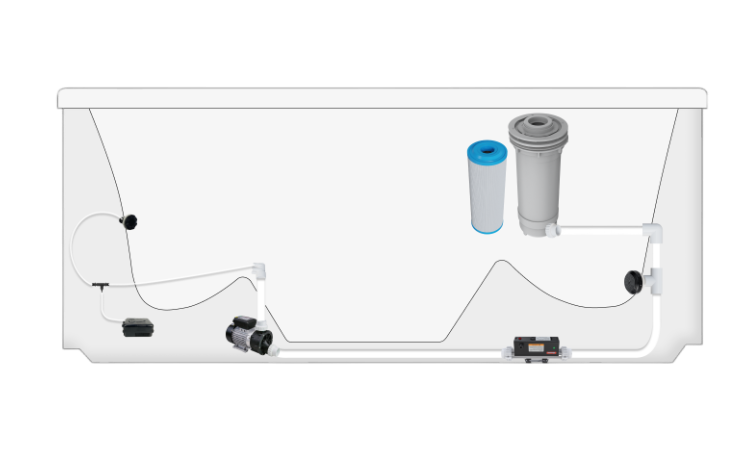
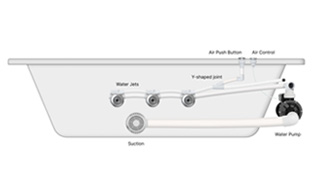
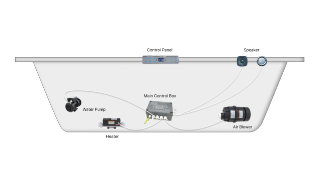
Among the three categories, a plug-and-play rigid hot tub offers the experience closest to a traditional hot tub and uses water jets powered by a pump.
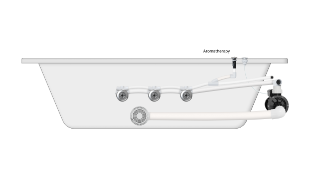
The shell is typically made from acrylic, rotationally molded resin, or high-density polyethylene (HDPE), with multiple layers of polyurethane foam insulation inside. Unlike bubble systems, water jets can direct pressure toward areas such as the neck, shoulders, and lower back. For a closer comparison, see Air Jets vs. Water Jets in Spa Systems.
Standard 15A Models
These models use a standard 120V / 15A household outlet and generally require no electrical modification.
Dedicated 20A Models
These models require a dedicated 20A outlet or circuit breaker upgrade, which usually needs professional electrical work.
Models Upgradeable to 220V/240V
Some models support a later upgrade to 220V/240V. A voltage upgrade may improve the ability to run heating and massage at the same time, but it also adds electrical installation requirements and costs.
Representative brands: AquaLife, LifeSmart, Wellis Milano, and Jacuzzi.
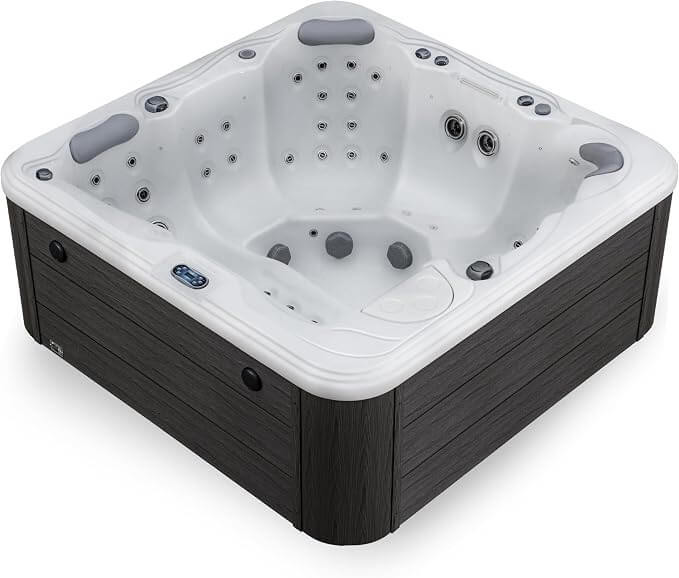
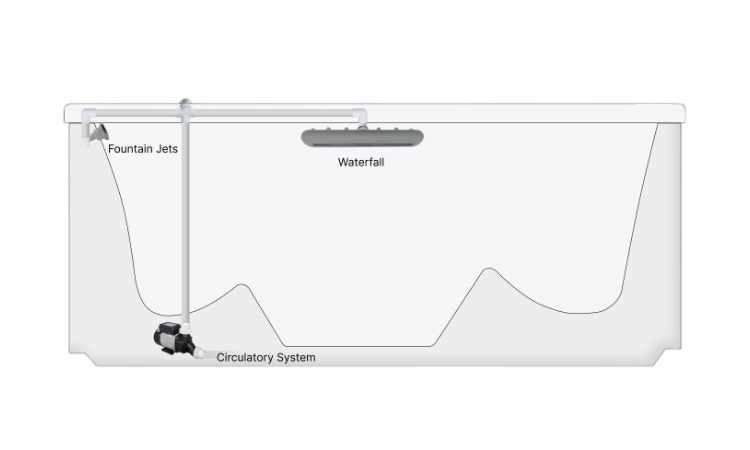
Plug-and-play rigid hot tub
Usage Limitations: Which Type Fits Your Installation Environment?
Inflatable hot tubs are more flexible for renters or users dealing with landlord and HOA restrictions, while rigid hot tubs are more suitable for buyers with a permanent installation area.
Inflatable models can be deflated and stored, but very cold weather increases heat loss and maintenance demands. Foam wall hot tubs provide better insulation. In regions where temperatures remain above 0°C (32°F), pairing one with a suitable insulated cover can support longer seasonal use.
A plug-and-play rigid hot tub requires a fixed installation area and is not designed for frequent movement or folded storage. Its more complete insulation structure is better suited to winter operation. For cold-weather maintenance priorities, see Hot Tub Winter Care.
Operating Costs: Does a Lower Purchase Price Mean Lower Long-Term Cost?
Purchase price is only the first cost; insulation efficiency and winter heating demand continue to affect electricity use.
An inflatable hot tub relies mainly on a PVC shell and air layer for insulation. In winter, even after adding foam mats and reflective insulation wraps, additional electricity consumption is typically around 100–250 kWh per month.
A foam wall hot tub offers approximately 30%–50% better insulation efficiency than an inflatable model, reducing additional winter electricity consumption to about 50–100 kWh per month. A plug-and-play rigid hot tub has a more complete insulation structure, with additional monthly electricity consumption of approximately 40–80 kWh.
Inflatable models are therefore more accurately described as having a lower purchase barrier, rather than being cheaper throughout every stage of ownership. Buyers evaluating related components can also read Energy Efficiency in Spa and Hot Tub Accessories.
Durability: How Do Structure and Service Support Affect Lifespan?
Inflatable hot tub lifespan often depends on the pump and control unit, foam wall structures reduce puncture and air-leak risks, and rigid hot tubs are closer to traditional products in both structure and service support.
User feedback indicates that some inflatable hot tub pumps fail within 1–3 years, while replacement control units can cost almost as much as a new tub.
“My brand new one lasted a year and a half... when the control unit finally died, the cost to replace was as much as the entire hot tub.” — barjam, Reddit user
A foam wall hot tub uses a rigid foam structure that removes the puncture and air-leak risks associated with air chambers. A plug-and-play rigid hot tub is structurally closer to a traditional hot tub and is generally more likely to include brand warranty and after-sales support. For pump sourcing considerations, see the Hot Tub Pump Supplier Guide.
Massage Experience: How Do Bubble Relaxation and Directional Water Jets Differ?
Inflatable and foam wall hot tubs mainly provide bubble relaxation, while plug-and-play rigid hot tubs use pumps and water jets for directional massage.
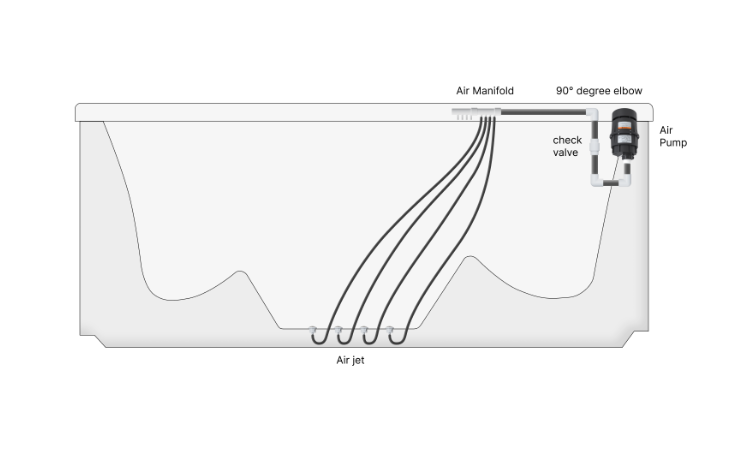
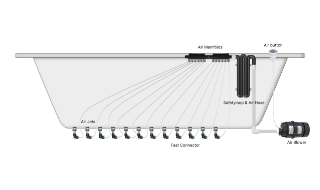
A bubble system releases air upward through circular openings at the bottom of the tub. This enhances the soaking experience, but it cannot direct pressure toward areas such as the neck, shoulders, lower back, upper back, or calves.
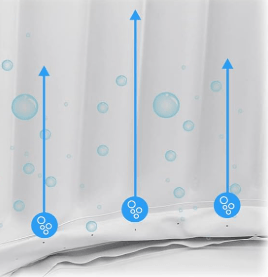
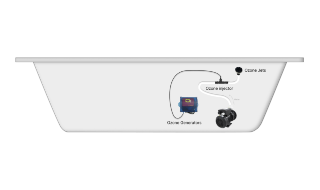
Air bubbles rising from the bottom massage system
When the bubble system and heater share the same 15A circuit, they generally cannot operate at the same time. Running the bubble function for 10–15 minutes in winter may reduce water temperature from 102°F to 100°F.
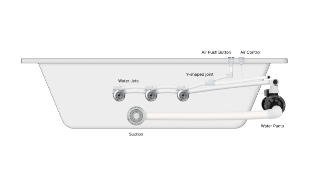
Water jets are driven by a pump and send heated water in targeted directions, with adjustable pressure and angles. This is closer to a traditional hydrotherapy experience for the neck, shoulders, lower back, upper back, and calves. For foam, odor, or discoloration issues during daily use, see the Hot Tub Water Troubleshooting Guide.
Choosing the Right Type: Which Four Questions Matter Most?
“Better” does not always mean “right for you now.” Start by answering four practical questions:
Installation conditions. Do you have a permanent space, and can the electrical circuit be modified?
Usage frequency. Are you trying a hot tub temporarily, or do you expect frequent, long-term use?
Climate. Will winter temperatures add significant insulation and heating demands?
Massage expectations. Do you only need bubble relaxation, or do you want directional water-jet massage?
Recommended Choice
Suitable For
Inflatable Hot Tub
Renters, users with HOA restrictions, those who want to try a hot tub first, or buyers with a limited budget
Foam Wall Hot Tub
Users in mild climates, those who do not want permanent installation, and buyers with a higher budget
Plug-and-Play Hot Tub
Users with a dedicated installation space, those looking for true hydrotherapy massage, and buyers with sufficient budget
Some users begin with an inflatable hot tub and later move to a rigid model after learning how often they use it and what kind of massage they prefer. This is a practical way to confirm real needs before making a larger investment. If you already expect frequent, long-term use and have a permanent installation area, starting with a plug-and-play rigid hot tub may better match those needs.
Looking Ahead: How Should Buyers Plan Beyond the Initial Purchase?
A long-term choice should consider more than the initial price. Installation conditions, local climate, insulation structure, electrical configuration, massage system, and maintenance all matter. For distributors and manufacturers, these factors also influence product positioning, spare-part planning, and after-sales service. For related industry developments, see Hot Tub Components for 2026.
Work With Us: What Product Support Does Hydrorelax Provide?
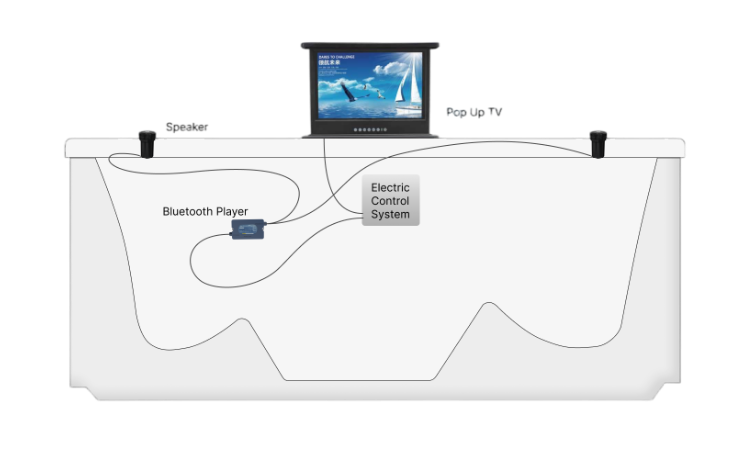
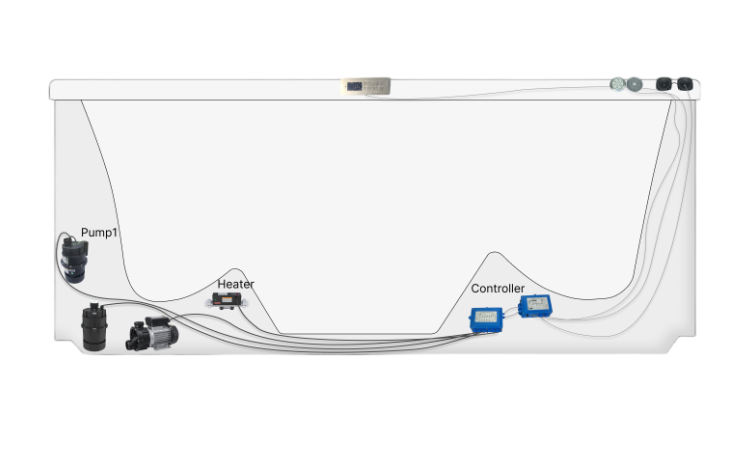
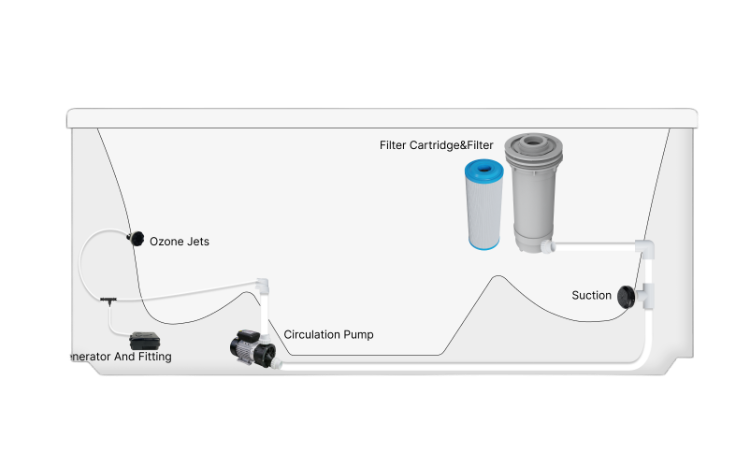
Hydrorelax supplies hot tub and spa system products, including water jets, spa pumps, heaters, complete system solutions, and finished hot tubs. Our products have passed a series of certifications. If customers require other certificates, they can contact us to confirm specific requirements.
Hydrorelax products are exported to 65+ countries. Because of international shipping costs, finished hot tubs are more suitable for bulk purchasing by distributors, manufacturers, and other B2B buyers. For sourcing guidance, see How to Wholesale Hot Tub Accessories.
Frequently Asked Questions
1. Is an inflatable hot tub suitable for year-round use?
It is better suited to mild climates or seasonal use. Cold weather increases heat loss, heating time, and maintenance demands.
2. What is the main difference between a foam wall and an inflatable hot tub?
A foam wall model replaces the air layer with rigid foam panels, generally improving insulation, puncture resistance, and shape stability while retaining some portability.
3. Can every plug-and-play hot tub use a standard household outlet?
No. A 15A model generally uses a standard household outlet, a 20A model needs a dedicated circuit, and some models support a later upgrade to 220V/240V. Always check the specific electrical requirements before purchase.
4. How does bubble massage differ from water-jet massage?
A bubble system provides a general soaking and relaxation effect. Water jets offer adjustable direction and pressure for more focused massage of areas such as the neck, shoulders, lower back, or calves.
5. How should distributors or manufacturers choose a supply solution?
They should consider target-market climate, electrical standards, end-user budget, massage expectations, and after-sales capacity before choosing finished hot tubs, system components, or a complete solution.
Looking for system components or finished hot tubs for a manufacturing, distribution, or procurement project?
Visit Hydrorelax or contact us for product catalogs, selection support, and bulk purchasing information.
Visit Hydrorelax or contact us for product catalogs, selection support, and bulk purchasing information.
— End of blog · First published September 16, 2026 · Updated September 16, 2026 —