




Hot Tub Pillow Care: Cleaning and Maintenance
After a long day, you sink into your hot tub, looking forward to the soft support of the pillow—only to find it uneven, slightly sagging, or showing dark spots from years of use. While it may seem like a small detail, it can ruin the entire relaxation experience. For proper hot tub pillow care, understanding the common problems and maintenance needs is essential.
Common Problems in Hot Tub Pillow Care
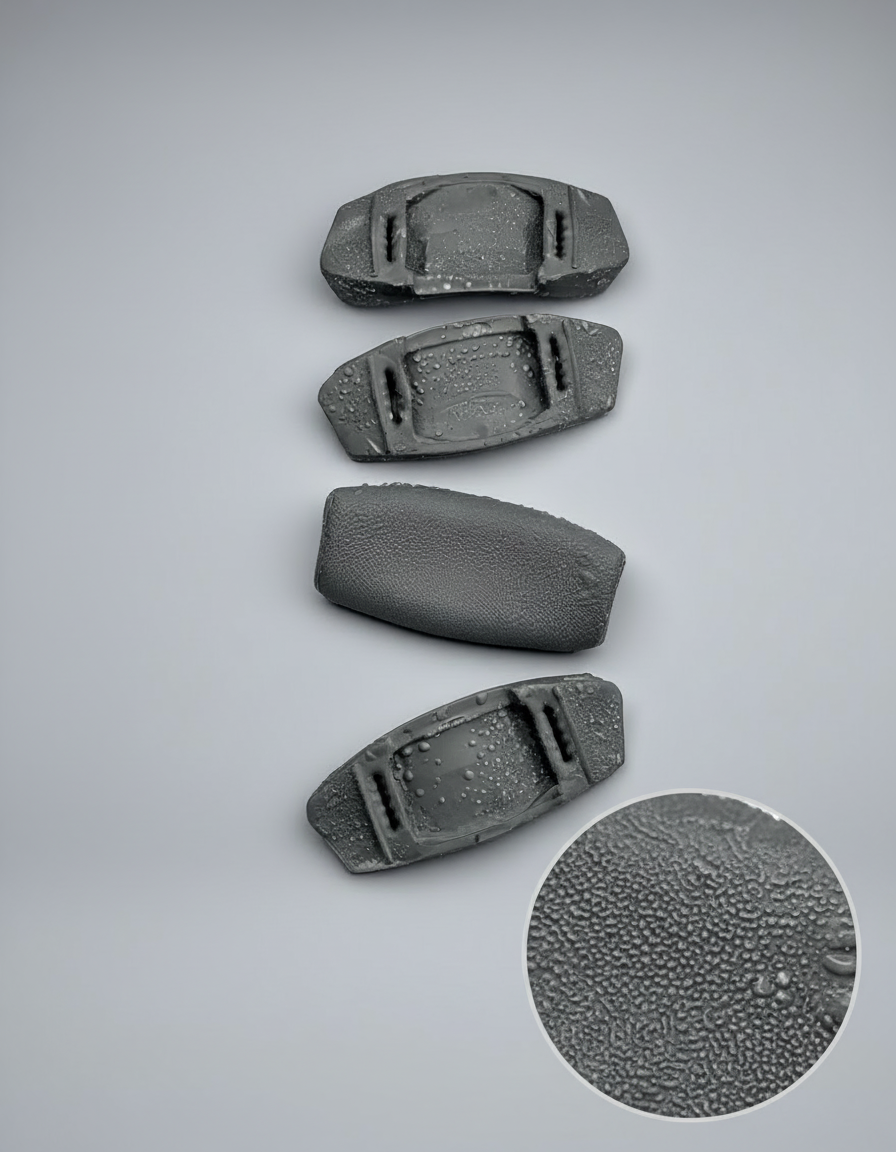
1.Discoloration or staining of the hot tub pillow
2.Surface blistering or peeling of the hot tub pillow
3.Foam softening or collapsing inside the hot tub pillow
4.Odor or mold growth in hot tub pillows
Causes Behind Hot Tub Pillow Damage
Hot tub pillows age over time due to a combination of internal and external factors. Understanding these causes is essential for both end users and B2B partners, helping them anticipate maintenance needs and extend product lifespan.
Chemical Impact in Unventilated Conditions
During hot tub operation, chlorine levels can temporarily spike to 5–10 times the normal level. If the cover is closed immediately, chemical vapors can accumulate around the pillow, accelerating surface aging and causing premature wear of both the pillow and the spa cover.
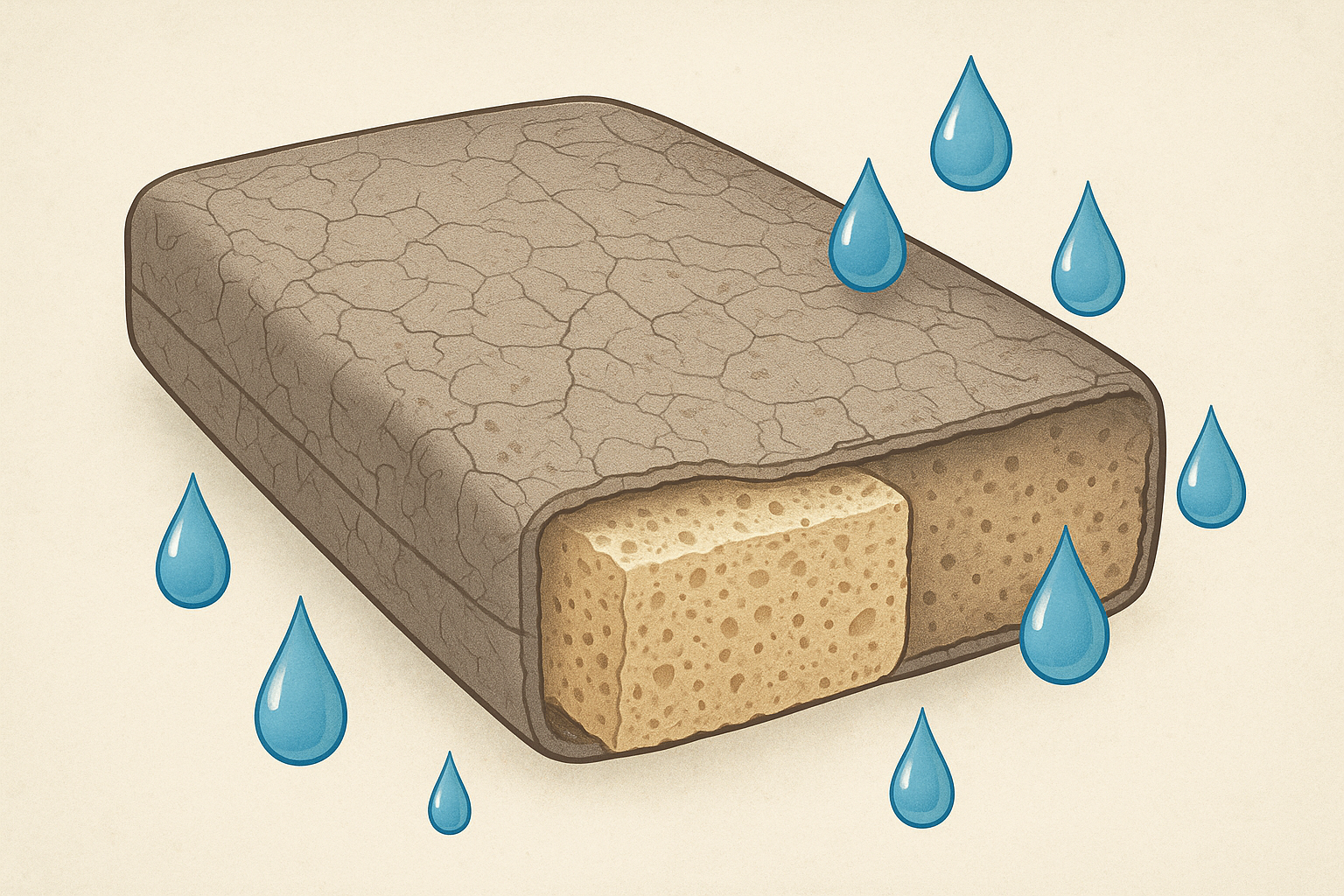
Imbalanced Water Conditions in the Hot Tub
Low alkalinity, pH fluctuations, and excessive sanitizer use can lead to material fatigue. When the pH drops below the recommended range, the vinyl in the pillow core becomes more porous, allowing chemicals to penetrate more easily and damage the internal foam.
Prolonged Exposure to High Temperature and Humidity
High temperatures can soften the vinyl surface of the hot tub pillow and increase plasticizer migration, causing the material to become harder and more brittle over time. In enclosed spas, warm humidity cannot dissipate, which significantly accelerates this process, leading to surface hardening, reduced flexibility, and earlier signs of aging.
Natural Aging After 3–5 Years of Use
Even under ideal care, spa pillows typically undergo an aging cycle of 3–5 years. Repeated exposure to heat, humidity, sanitizers, and UV light gradually reduces foam density and vinyl elasticity. Over time, the material loses its original softness and stability, so slight discoloration, changes in firmness, or surface wear are normal and do not indicate a product defect.
Hot Tub Pillow Care Tips
The following tips are compiled from real-life experiences shared by hot tub users worldwide, combined with professional recommendations, for reference.
Do Not Close the Spa Cover Immediately
Many users report that waiting 15–20 minutes for air to circulate not only allows chemical vapors to dissipate but also prevents pressure marks or minor deformation from prolonged contact with the cover. For regular home spa use, this simple step helps slow surface aging and keeps the pillow comfortable to touch.
Install the Pillow Only During Use
Keeping the pillow constantly submerged in warm water or a high-humidity environment gradually reduces foam elasticity. Many hot tub owners recommend installing the pillow only during soaking and removing it to air-dry when not in use, which significantly reduces material fatigue and minor deformation.
Regular Water Testing and Balancing
OEM testing of hot tub pillows shows that maintaining proper alkalinity can extend core pillow lifespan by more than 40%. It is recommended to perform a simple water test weekly or biweekly and adjust chemical levels accordingly to maintain balanced water conditions.
Use Specialized Cleaning for Hot Tub Pillows
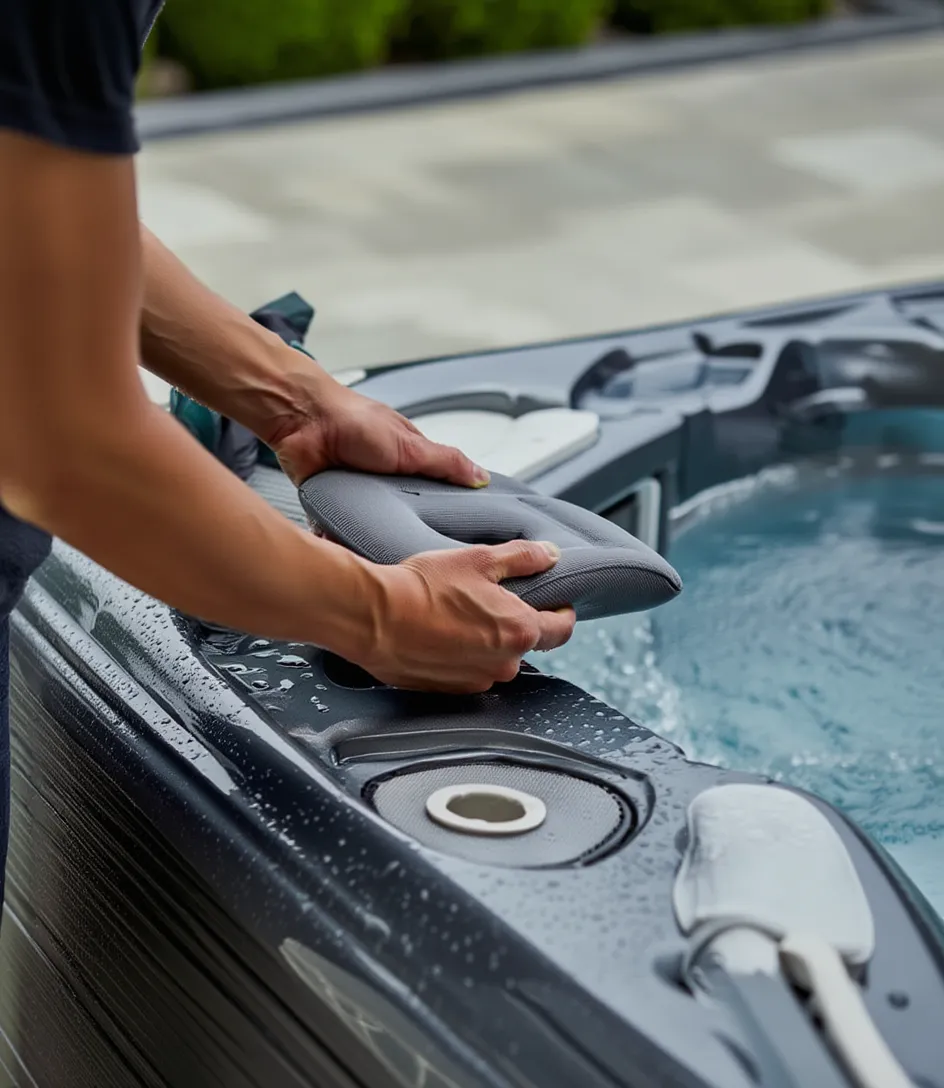
Using a soft brush or sponge with mild cleaning agents to gently scrub the pillow surface is widely recommended. Avoid hard brushes or strong acids/alkalis, which can scratch the surface or damage the foam. Regular cleaning removes scale, minor mold, and deposits while keeping the pillow soft to the touch. This step is especially important in spas used frequently or by children.
Replace Hot Tub Pillows Periodically
Most hot tub users replace their pillows every 3–7 years, depending on usage frequency and water maintenance. Regular replacement maintains optimal comfort and prevents hygiene issues from long-term microbial buildup or localized wear. In commercial or high-frequency settings, shorter replacement intervals help ensure a consistent user experience.
Hot Tub Pillow Care Support and OEM Options
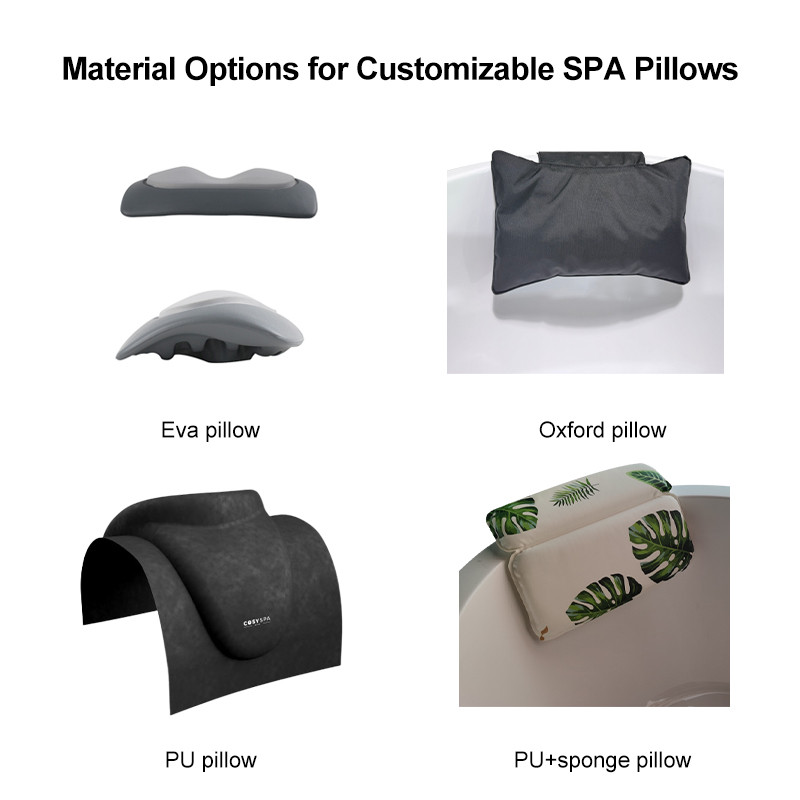
In long-term project collaborations, Hydrorelax provides comprehensive maintenance guides, basic troubleshooting manuals, and routine care recommendations to help engineering clients reduce after-sales pressure. At the same time, we offer extensive OEM/ODM customization options—including shape, materials, color, installation method, and brand logo printing.
Leveraging our stable B2B manufacturing capabilities, mature supply chain, and experience delivering multi-country projects, Hydrorelax consistently ensures timely delivery, consistent quality, and long-term supply reliability for large-volume orders. This provides sustainable collaboration assurance for hot tub brands and spa system manufacturers worldwide.
Contact us to explore custom hot tub pillow production and reliable B2B supply solutions.
We also provide additional maintenance guides for hot tub accessories.