




Hot Tub Cover Bubbles: Causes and Long-Term Prevention
What Are Hot Tub Cover Bubbles?
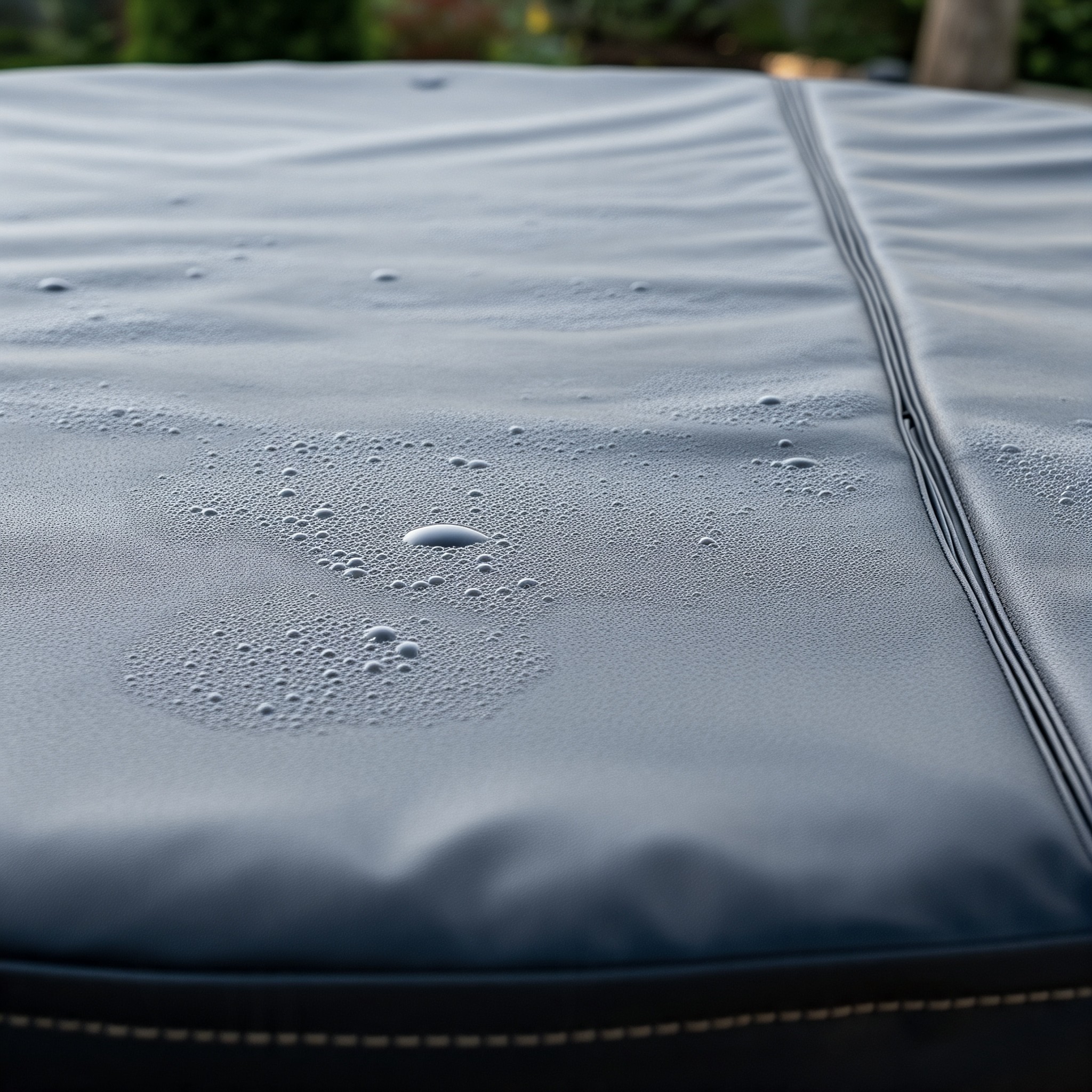
Hot tub cover bubbles refer to raised, blistered, or swollen areas that appear on the surface of a hot tub or spa cover. These bubbles often feel soft when pressed and may gradually expand over time, affecting both the appearance and performance of the cover.
This issue is frequently misunderstood as a simple cosmetic defect. In reality, hot tub cover bubbles usually indicate internal material degradation, often caused by chemical exposure, trapped gases, or long-term environmental stress.
Understanding why hot tub cover bubbles form is critical for spa owners, distributors, and manufacturers alike—because once bubbling appears, it often signals irreversible damage.
Common Symptoms of Hot Tub Cover Bubbles
Hot tub cover bubbles typically develop gradually.
Common signs include:
Localized raised areas or bulges on the cover surface
Blister-like formations beneath the vinyl layer
Soft or spongy spots when pressed by hand
Surface deformation that does not recover after cooling
Worsening bubbles after heating cycles or chemical treatment
These symptoms are most often found on the top surface of the hot tub cover, where heat, vapor, and chemical exposure are most concentrated.
What Causes Hot Tub Cover Bubbles?
Chemical Imbalance in Water
One of the most common causes of hot tub cover bubbles is imbalanced water chemistry.
When pH levels are too low (acidic) or sanitizer concentrations are too high, chemical vapors rise from the water surface and accumulate beneath the cover. Over time, these vapors attack the vinyl skin and bonding layers, weakening adhesion and causing surface separation.
Key chemical risk factors include:
Low pH levels (acidic water)
Excessive chlorine or bromine concentration
Improper shock treatment frequency
Unstable alkalinity
Adding Chemicals Without Proper Ventilation
A critical but often overlooked cause of hot tub cover bubbles is closing the cover immediately after adding chemicals.
When sanitizers, shock treatments, or oxidizers are added, they release aggressive gases.
If the hot tub cover is closed too quickly:
Chemical vapors become trapped
Heat accelerates vapor concentration
Vinyl layers are exposed to corrosive gas pressure
This creates a perfect environment for surface blistering and bubbling.
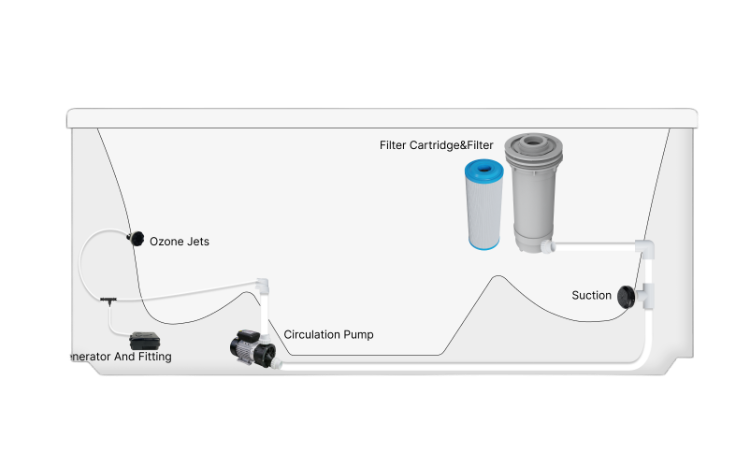
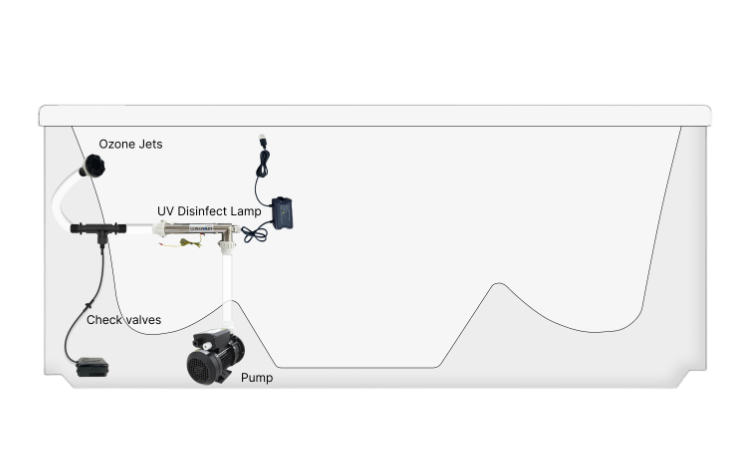
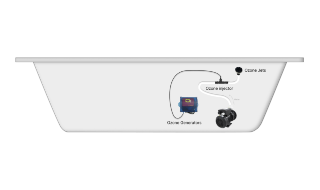
Ozone System Exposure and Runtime
Ozone systems are widely used for water sanitation, but they also introduce long-term risks to cover materials.
Ozone is a powerful oxidizer.
When ozone gas accumulates beneath a closed cover, it can:
Degrade vinyl coatings
Break down internal adhesive layers
Accelerate material aging
Extended ozone runtime, especially when combined with poor ventilation, significantly increases the likelihood of hot tub cover bubbles forming over time.
Heat and Moisture Trapped Under the Cover
Hot tubs naturally generate heat and moisture. If this heat cannot escape, pressure builds beneath the cover surface.
Repeated heating and cooling cycles can cause:
Expansion of trapped gases
Separation between vinyl and foam layers
Permanent surface deformation
Are Hot Tub Cover Bubbles a Manufacturing Defect?
This is one of the most frequently asked questions by spa dealers and distributors.
In most cases, hot tub cover bubbles are not caused by manufacturing defects, but by operational and environmental factors.
From a B2B perspective, this distinction is crucial. Misidentifying chemical damage as a production flaw can lead to unnecessary warranty disputes and increased after-sales costs.
Can Hot Tub Cover Bubbles Be Repaired?
Unfortunately, once hot tub cover bubbles appear, repair options are extremely limited.
Temporary cosmetic fixes may hide surface defects, but they do not address internal material separation. Over time, bubbles often expand, harden, or crack.
In most cases:
Bubbling cannot be reversed
Structural integrity is compromised
Thermal insulation performance is reduced
Replacement is usually the only long-term solution once bubbling reaches a visible stage.
How to Prevent Hot Tub Cover Bubbles
While bubbling cannot always be avoided, the risk can be significantly reduced through proper usage and system-level prevention.
Maintain Balanced Water Chemistry
Keep pH within recommended ranges
Avoid excessive sanitizer concentrations
Monitor chemical levels regularly
Stable water chemistry reduces aggressive vapor formation that leads to hot tub cover bubbles.
Always Vent After Adding Chemicals
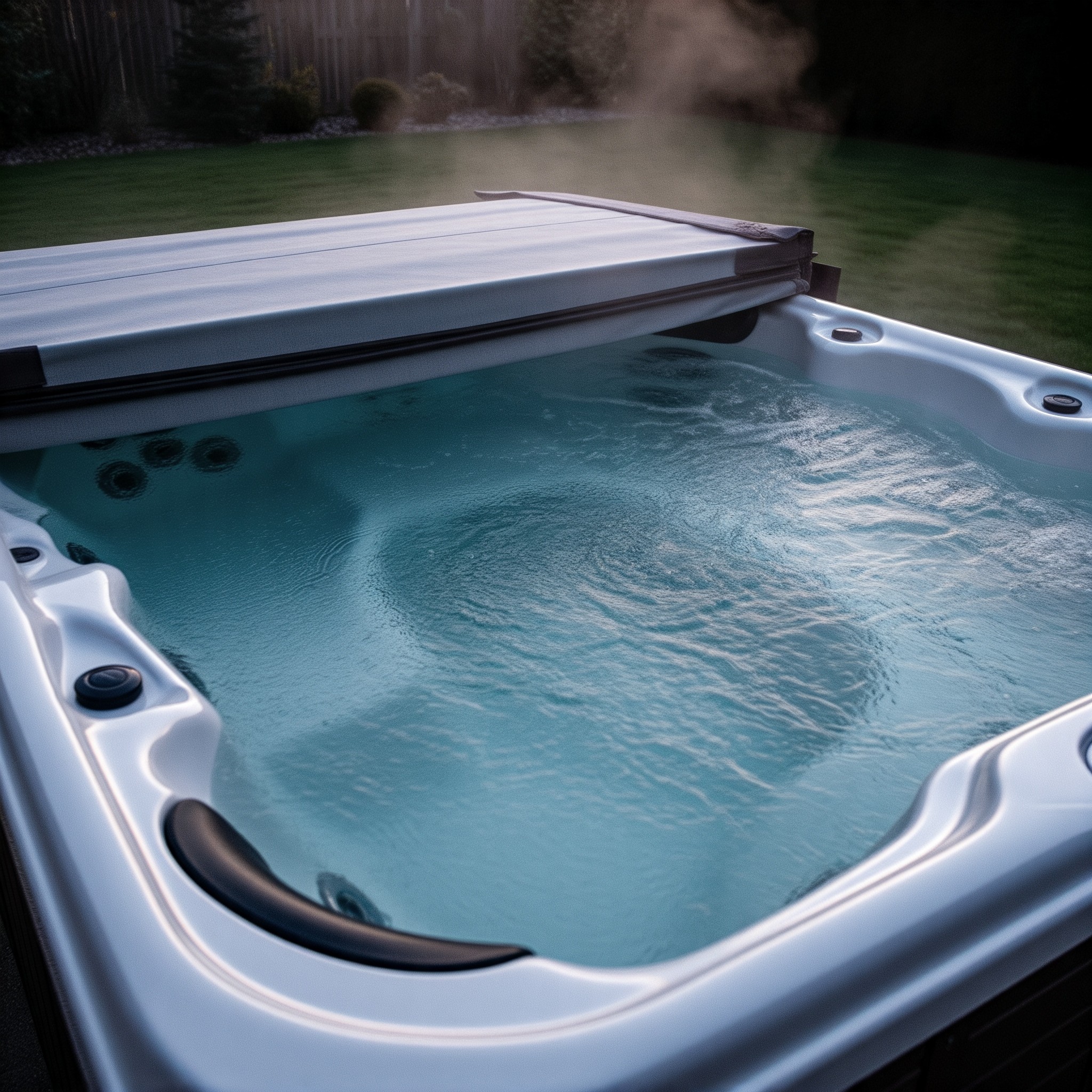
Leave the cover open after chemical dosing
Allow gases to dissipate before closing
Avoid sealing heat and vapors inside
This simple habit dramatically lowers chemical vapor damage.
Control Ozone Exposure Time
Avoid excessive ozone runtime
Combine ozone systems with proper ventilation
Match ozone output to spa size and usage
Balanced ozone operation minimizes long-term material degradation.
Choose Covers Designed for Chemical Resistance
For commercial buyers and spa brands, material selection matters.
High-quality hot tub covers designed for professional use often feature:
Improved vapor resistance layers
Better bonding stability
Materials tested for chemical environments
Preventing hot tub cover bubbles starts with correct product specification.
Why Hot Tub Cover Bubbles Matter for B2B Buyers
For spa brands, distributors, and OEM buyers, hot tub cover bubbles are more than a cosmetic issue—they impact:
Warranty claim rates
Brand reputation
Customer satisfaction
Long-term replacement cycles
Understanding the real causes behind hot tub cover bubbles allows B2B buyers to:
Educate end users
Reduce after-sales disputes
Select more durable cover solutions
Optimize total lifecycle cost
Working With the Right Hot Tub Cover Manufacturer
Preventing hot tub cover bubbles is not only about usage—it starts at the manufacturing level.
Professional B2B suppliers focus on:
Material compatibility with chemical environments
Stable lamination processes
Long-term durability testing
Consistent batch quality for OEM supply
Choosing the right manufacturing partner directly affects how well covers resist bubbling, blistering, and surface deformation over time.
Conclusion: Addressing Hot Tub Cover Bubbles at the Source
Hot tub cover bubbles are a clear warning sign of chemical stress, trapped gases, and material degradation. While they may start small, they almost always indicate deeper structural issues that cannot be reversed.
For spa owners, prevention lies in proper water management and ventilation. For brands and distributors, prevention begins with choosing the right cover design and manufacturing partner.
Hydrorelax specializes in producing and customizing high-quality hot tub covers with stable supply quality and flexible customization options. It is a long-term partner of many OEM hot tub accessories manufacturers around the world.
If you are purchasing hot tub cover for OEM production, wholesale distribution or long-term brand plan, you are welcome to contact us at any time!
If you want to know more about the customization and maintenance guide of the hot tub cover, you are welcome to read more blogs.